Pisa: Come for the Tower, Don’t Expect Much Else

I’ll be honest, I thought Pisa was closer to everywhere else. In my mental map of Italy it sat neatly between Florence and Rome, a quick hop in either direction. It doesn’t. Pisa is tucked away in the northwest of Tuscany, closer to the Ligurian coast than to most of the places people use as a base in Italy. It’s not remote, but it’s not on the way to anywhere either, which means visiting it takes a bit more commitment than I expected.
That said, the tower is worth it. Just do Florence and Rome first.
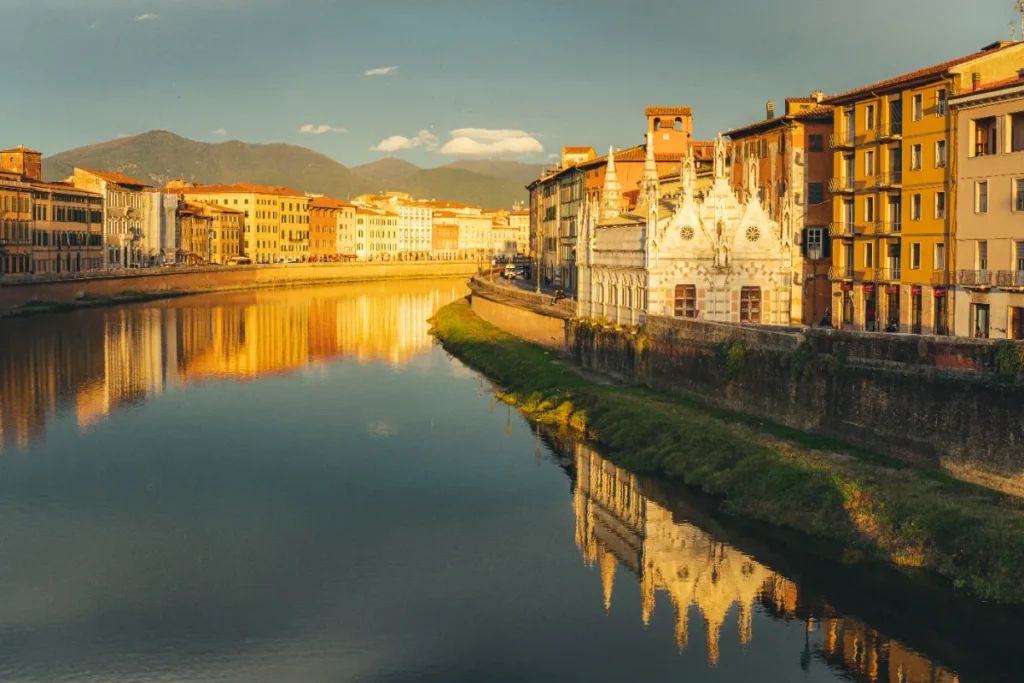
Where Pisa Sits in Italy
Pisa is in Tuscany, on the northwestern edge of the region, about 50 miles west of Florence and around 210 miles northwest of Rome. It has its own international airport, Galileo Galilei, which is one of the better reasons to visit since budget flights land here and you can use it as an entry point into Tuscany more broadly. It’s not too out of the ordinary to see flights around €20.
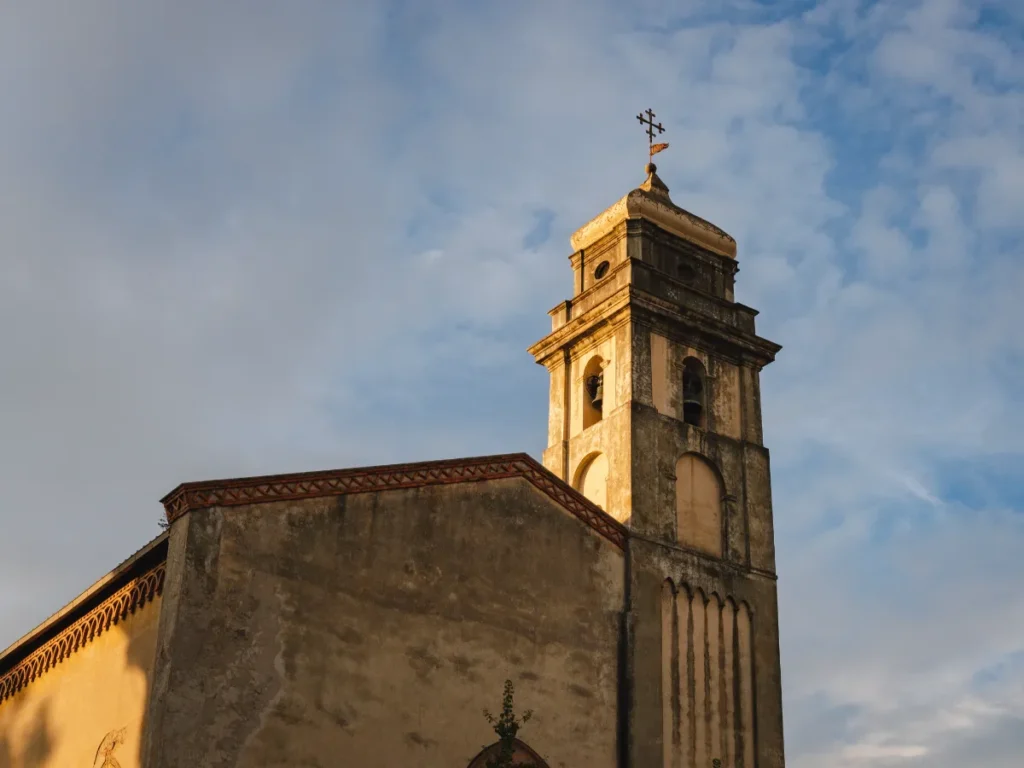
From Florence, the train takes around 50 minutes to an hour and costs from around €5 to €11 depending on the service, with trains running every 30 minutes or so. From Rome, the fast train takes just over two hours with a change in Florence, or slightly longer on a direct regional service. Flixbus also connects Florence and Pisa from around €5, taking around an hour, which makes sense if you’re already on the budget bus network. Bear in mind traffic can be bad and can easily double travel times.
From Pisa Centrale station, a bus (the LAM Rossa line) takes around 10 minutes to the Piazza dei Miracoli and costs €1.50, bought at the newspaper shop inside the station before boarding.
The Piazza dei Miracoli: More Than Just the Tower
I went in expecting one thing and found four. The Piazza dei Miracoli, also called the Square of Miracles, is a large open lawn walled off from the rest of the city, and it contains the Leaning Tower, a cathedral, a baptistery, and a monumental cemetery, all built in the same Pisan Romanesque style and sitting together on the grass like someone set them down carefully and stepped back. Together they’re a UNESCO World Heritage Site, and the ensemble as a whole is considerably more impressive than any of its parts alone.
The Leaning Tower: €20 (includes Cathedral entry)
The tower is bigger than I expected. That’s genuinely the first thought when you arrive: it’s larger and more imposing than the photos suggest, and the lean, when you’re standing right next to it, is more pronounced than it looks from a distance. It was built as a freestanding bell tower for the cathedral next door, construction began in 1173, and the tilt started almost immediately because the ground on one side is softer than the other. Various stoppages, wars, and centuries of slow movement later, it arrived at the angle it sits at now, around four degrees off vertical after an engineering project in the 1990s corrected it slightly from its previous and more dangerous lean.
Climbing it costs €20, which includes entry to the cathedral. You climb 251 steps in a cork-screw staircase up the inside of the outer wall, which spirals so that you’re sometimes leaning into the tower and sometimes leaning away depending on which side of the tilt you’re on. The disorientation is mild but real. At the top, the view over the piazza and the city is good. Book in advance, tickets sell out in peak season, particularly for popular time slots.
The Cathedral (Duomo): Free with any ticket, or free timed ticket on the day
Entry to the cathedral is included with the tower ticket, or available as a free timed ticket from the on-site box office if you’re not doing the tower. The cathedral itself is a serious piece of architecture, built from 1064 onwards in the Pisan Romanesque style, with four tiers of colonnaded marble across the facade and bronze doors cast in the 11th and 12th centuries. Inside: a 68-metre nave, carved marble pulpit by Giovanni Pisano, and Galileo’s lamp, a bronze chandelier that legend says inspired Galileo to study the physics of pendulums while watching it swing during a service. Whether the story is strictly true is debated, but it makes for a good reason to look up.

The Baptistery: €8 individually or €11 for all monuments except the Tower
The largest baptistery in Italy and one of the most architecturally unusual buildings in the whole piazza. Construction started in 1152 and blends Romanesque and Gothic styles in a way that shouldn’t work and does. Inside, the acoustics are extraordinary: if a guard sings a single note, the dome amplifies and harmonises it into a chord. This demonstration happens occasionally throughout the day and is worth catching if it coincides with your visit.

The Camposanto: €8 individually or €11 for all monuments except the Tower
A monumental Gothic cemetery on the northern edge of the piazza, built in 1278. According to tradition, the soil inside was brought back from Golgotha during the Crusades. The cloister arcades that surround the burial ground house ancient Roman sarcophagi and remnants of extraordinary medieval frescoes, many of which were badly damaged when Allied bombing in 1944 set the lead roof on fire and it melted onto the walls below. What survived has been carefully preserved and the story of the restoration is told inside. It’s quieter than the rest of the piazza and worth the time.
The Sinopie Museum and Opera del Duomo Museum: €8 each or included in the €11 combination ticket
The Sinopie Museum houses the preparatory drawings that were discovered beneath the ruined Camposanto frescoes, rescued during the post-war restoration. They’re remarkable, the underdrawings for frescoes that no longer fully exist. The Opera del Duomo Museum covers the history of the construction of the piazza’s buildings, with original sculptures and artefacts. Both are worth an hour between them if you’re doing the full piazza.
Combination tickets:
- All monuments excluding the Tower: €11
- All monuments including the Tower: €27
- Tower + Cathedral only: €20
Go at Sunset
The piazza is busy throughout the day, particularly in summer when tour groups arrive in waves and the lawn fills up with people doing the obligatory perspective photo of holding the tower up. Going at sunset makes a real difference: a little less busy, the light is better, the heat is off, and it feels marginally less like a theme park queue.
Outside the Piazza: Not Much
This is the honest part. Once you’ve done the piazza, Pisa has very little else to offer. The city centre has some pleasant streets and a river walk along the Arno, and there’s a Keith Haring mural called Tuttomondo on the side of a church near the train station worth a quick look, but nothing that would keep you here for a full day if the piazza was the reason you came.
Food is fine but not remarkable by Italian standards, and I didn’t find anything that particularly stood out. Stay close to the piazza if you’re spending the night, the city is small enough that location matters more here than it would somewhere larger.
Do This After Florence and Rome
If you’re spending time in Italy, do Florence and Rome first. Both have a far greater density of genuinely unmissable things than Pisa, and both have considerably better food options. Pisa is a one-trick-pony, but it’s a very good trick, and the piazza as a whole is worth the visit. Just don’t come here expecting the rest of the city to match the square.
Verdict: OVERRATED
Not because the tower isn’t worth seeing. It is. But Italy has so much else at the same level or higher, and the city outside the piazza doesn’t justify making Pisa a priority over Florence, Rome, or anywhere else. Come for half a day, do the full piazza, and move on.