Cornwall: England’s Far Southwest
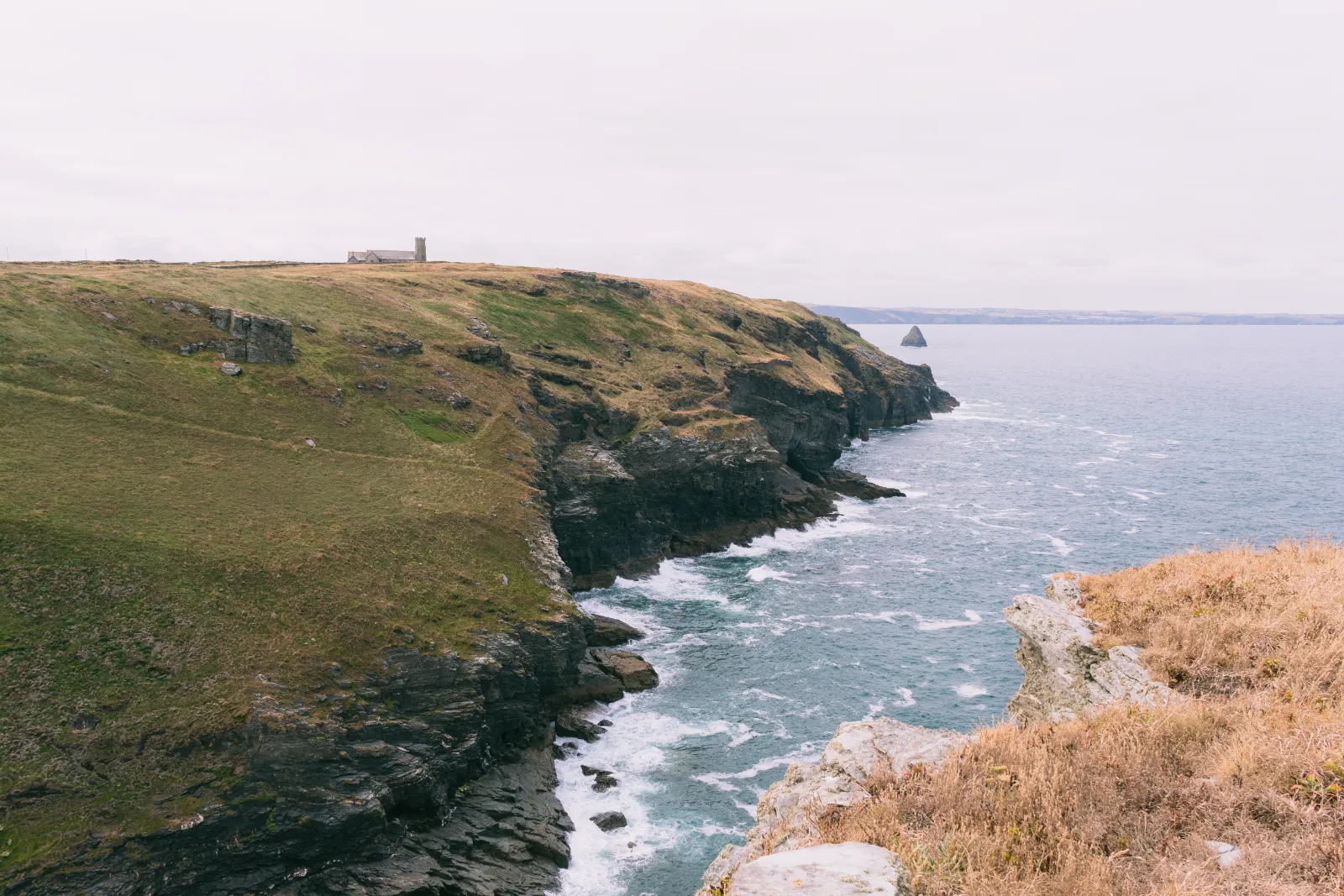
Cornwall is further than you think. Most people from the south of England underestimate the drive until they’re already on the A30 wondering when it ends. From London, budget at least four and a half to five hours to reach Penzance, more to reach the far western tip near Land’s End. It’s the furthest you can go in England without falling into the sea, and that remoteness is a significant part of its character.
What you get for the drive: dramatic coastline, ancient history, some of the best coastal walking in England, and one of the most extraordinary theatre venues I’ve ever visited. You also get crowded beaches, tourist traps that are somehow still operating on goodwill, and parking situations that will test your patience and your small change supply simultaneously.
Come in early summer or September if you want to see it properly. July and August means sharing every beach and car park with what feels like the entire population of the home counties.
Getting There
The main route is the A303 and then the A30 all the way to Penzance. There are no motorways in Cornwall. The train from London Paddington to Penzance takes around five and a half hours on a direct service and is a comfortable way to arrive if you’re not planning to drive around once you’re there, though a car opens up considerably more of the county.
Where to Base Yourself
Cornwall is a long county and the right base depends on what you’re planning to see. Here’s how it breaks down by area.
The Far West: Penzance and Surrounds
Penzance is the main town and the practical base for the far west. It has proper supermarkets, a good range of accommodation at various price points, and connects to London by train directly from Paddington. If you want somewhere with everything, stay here and drive to the coast each day.
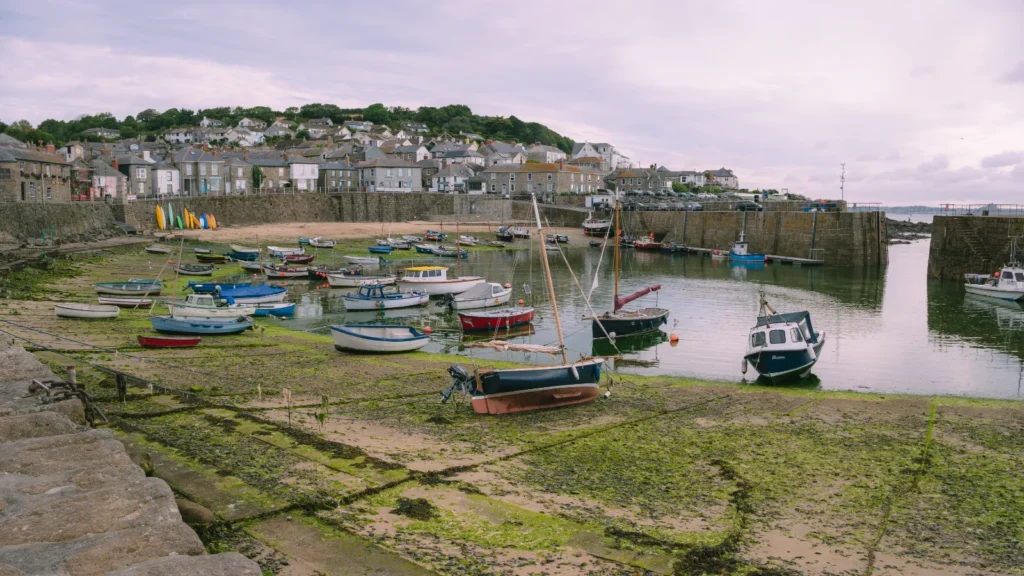
Mousehole (pronounced Mowzel, which you’ll find out the slightly embarrassing way when you say it wrong to a local) is the quieter, more picturesque option. A proper Cornish fishing village with a working harbour, granite cottages, and narrow streets built long before anyone considered what to do about cars. Great restaurants, though not cheap. Two harbour car parks managed by the Mousehole Harbour Authority: North Quay has 51 spaces, South Quay is summer only, both around £5 for a couple hours or £10 overnight. The Parade Car Park slightly further out has about 80 spaces at around £1.10 per hour or £11 for 24 hours overnight. Do not drive through the village looking for parking. The streets are impossibly narrow and it ends in either a multipoint turn or a standoff with another driver. Park as soon as you can then walk around. Mousehole’s not that big.
Newlyn sits immediately south of Penzance and is largely overlooked by visitors who drive straight to Mousehole. Still one of the largest working fishing ports in England, with daily catches unloaded at the fish market, and the Newlyn Art Gallery shows contemporary and regional work in a building right on the water. Worth an hour and a good lunch stop.
St Just is a small inland town a few miles north of Land’s End. Not on the water but within easy reach of the coast, free parking in the centre, and a decent place to stop for lunch and a pint. Having plenty of free parking just takes the stress out of the journey, it’s also so rare that it’s a nice surprise and elevates the whole place. The fish and chips are good as well as the cornish tea and ice cream. Being this close to the sea makes a difference.
The North Coast: Padstow, Port Isaac, and Beyond
Padstow on the north Camel Estuary is one of the better-known towns in Cornwall beyond the far west. Famous partly for Rick Stein’s seafood restaurants, which are good but have turned the town into something of a foodie pilgrimage destination. Busy and pricey around the main harbour in peak season. The Camel Trail, a flat cycling and walking path following the old railway line to Wadebridge, is one of the better easy rides in Cornwall. Hire bikes in Padstow and do the return trip along the river. Works well as a base for exploring the Atlantic-facing beaches north of the Camel: Constantine Bay, Harlyn Bay, and Trevone.
Port Isaac on the north coast is tiny, tucked into a steep-sided valley above a small harbour. The village is pretty and the surrounding coastal walks are excellent, but the streets are so narrow that cars are banned from the lower village during peak hours. Park above and walk down. Worth a stop rather than a full day, unless you want a characterful base in a beautiful location.
Bude at the northern end of Cornwall near the Devon border has good surfing beaches, an Atlantic coast walk northward into Devon, and considerably fewer visitors than the western end. A proper small town with a good range of accommodation and easy access to the coast without the crowds of Newquay.
The South Coast: Falmouth and the Lizard
Falmouth is worth considering as a base for anyone planning to explore east Cornwall and the Lizard Peninsula. A genuine working town with a proper harbour, independent restaurants, and a lived-in feel that’s completely different to the tourist-heavy west. The National Maritime Museum Cornwall is here. An hour’s drive from most of what’s in the far west section, but well-positioned for the south coast, the Roseland Peninsula, and the Lizard.
Porthleven is on the south coast between Penzance and the Lizard, a working harbour town with a storm wall and independent restaurants along the harbour front. Considerably fewer tourists than the west Cornwall hotspots. A good lunch stop. The harbour during a swell is dramatic.
Mid-Cornwall: St Austell
St Austell is the practical option if you’re trying to cover a wider range of the county rather than focusing on the far west. Not particularly scenic as a town but well-positioned, cheaper than the coastal villages, and within reach of both north and south coasts. Also the closest town to the Eden Project.
The Food
Cornish fudge: Go to one of the proper fudge shops that makes it by hand in front of you. Yes, it’s touristy. Yes, it’s still the best fudge I’ve ever had. Worth every penny and worth the slightly theatrical shop experience that comes with it.
Cornish clotted cream ice cream: Available everywhere and also available at any UK supermarket. Tastes like good vanilla ice cream. Maybe slightly creamier. You’re not missing a defining regional experience if you skip it.
Cornish tea: Try it. It’s good and it’s the right thing to drink in Cornwall.
Fish and chips: Being surrounded by sea matters most here. The fish is notably fresher than what you’d get inland. Get the fish. The chips are just chips.
Cornish pasties: You might have heard of these, they’re pretty common all over the country but here’s your chance to get one from the source. Grab one from a proper bakery rather than a petrol station. Significantly different. The genuine article has a thick crimped pastry edge designed to be held while eating, with the filling on one end and the crust discarded.
What to See: By Area
Far West Cornwall
Minack Theatre: The Highlight of the Whole Trip
If you do one thing in Cornwall, go to a show at the Minack. An open-air theatre carved into a granite cliff above Porthcurno Bay, with the Atlantic as the backdrop. It’s one of the most extraordinary venues I’ve ever been in and the performances match the setting. Check what’s on at minack.com, book Section A, bring a jacket and a cushion, and bring your own drinks since they don’t sell alcohol on site. Shows run mid-May to mid-September, on weekdays. Read more about my experience here.
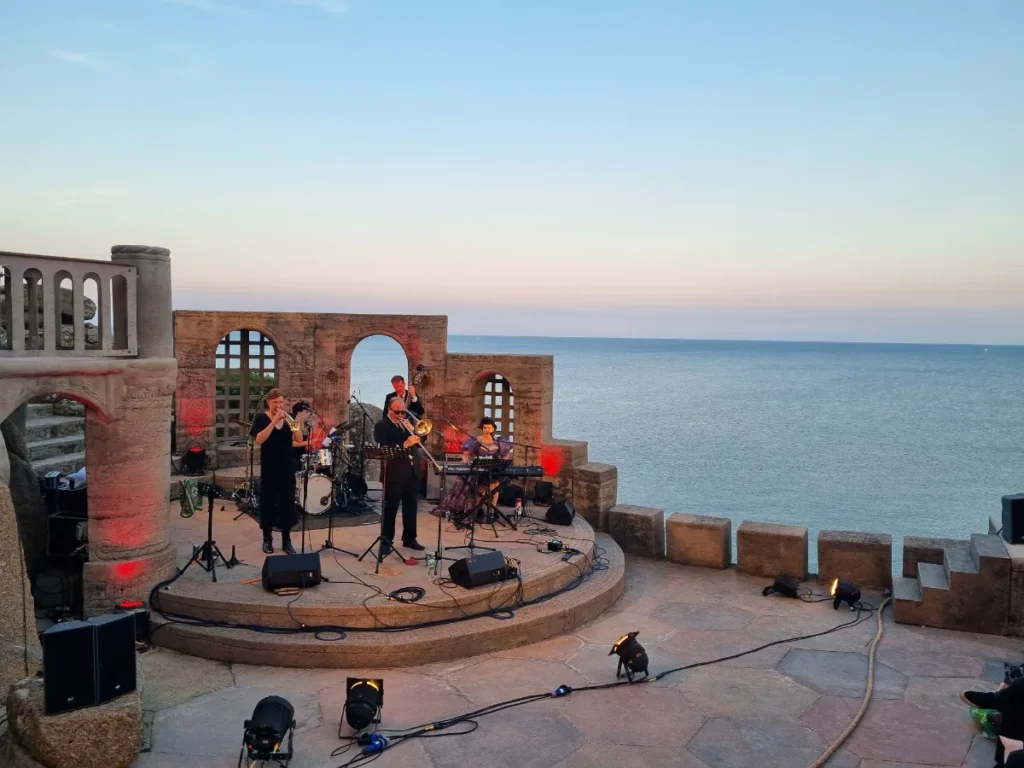
Postcode: TR19 6JU. Plenty of free parking on site.
Porthcurno Beach sits directly below the Minack and is reachable by a steep path from the road above. White sand, clear turquoise water, cliffs on both sides. One of the better beaches in west Cornwall and a natural pairing with a Minack evening visit. Parking is limited on the narrow road above, arrive early.
St Michael’s Mount
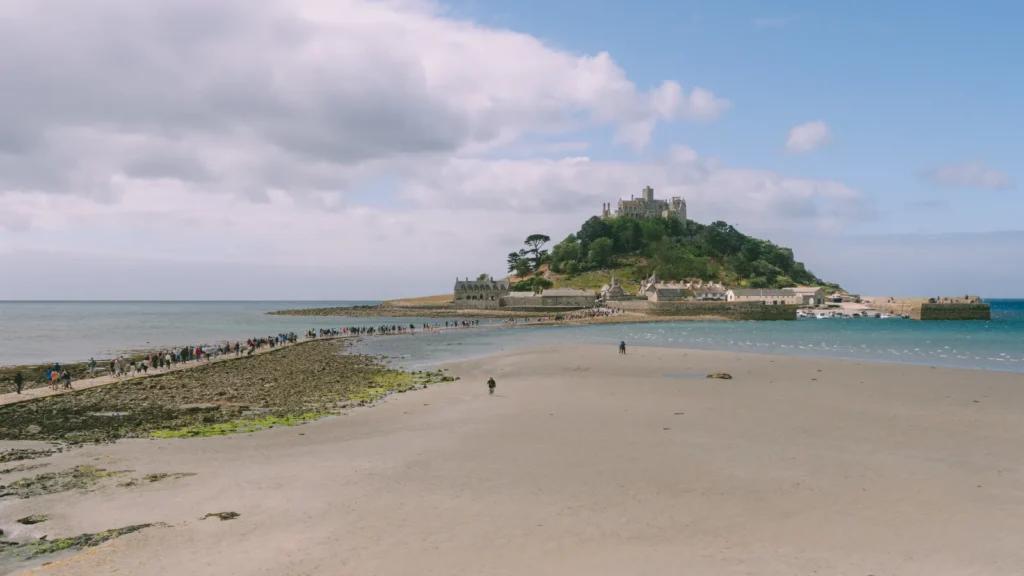
A medieval castle on a tidal granite island connected to the mainland by a cobbled causeway that the sea covers and uncovers twice a day. At low tide you walk across with the bay on either side; at high tide a small ferry takes you across in five minutes for £3.20. The setting from Marazion beach is extraordinary enough on its own, but crossing and climbing up to the battlements for the views across the bay is worth doing if you have time. The island is closed on Saturdays. Read up on the full guide before you go.
Postcode for Marazion: TR17 0EQ. Short-stay car parks £4.50 for two hours.
Verdict: Rated.
Cape Cornwall and St Just
If you want to stand somewhere genuinely western without paying for the privilege of a theme park, drive to Cape Cornwall just north of St Just. Not as far west as Land’s End but considerably more worth the drive. A short walk up the hill to the tin chimney stack gives you sea views on three sides and none of the gift shops. The road in is a long single-track lane, there’s no mobile signal, and the parking area uses coins, so arrive prepared.
After Cape Cornwall, St Just itself is worth a stop for lunch. Free parking in the centre, decent food, and a good fish and chip shop.
I got lost a few times before figuring out where to go. The correct postcode is TR19 7NN.
Sennen Cove near Land’s End is the right alternative to Land’s End itself. A proper surfing beach on the far western tip, facing the full Atlantic, with a small harbour and a decent beach cafe. If you want to stand somewhere genuinely western with a good beach rather than a themed attraction, come here instead.
Land’s End: Skip It
A small theme park situation with overpriced shops, a hotel, and a famous sign you have to pay to have your photo taken with. The location is geographically significant and atmospherically underwhelming. Go to Cape Cornwall or Sennen Cove instead.
Verdict: Overrated
St Ives
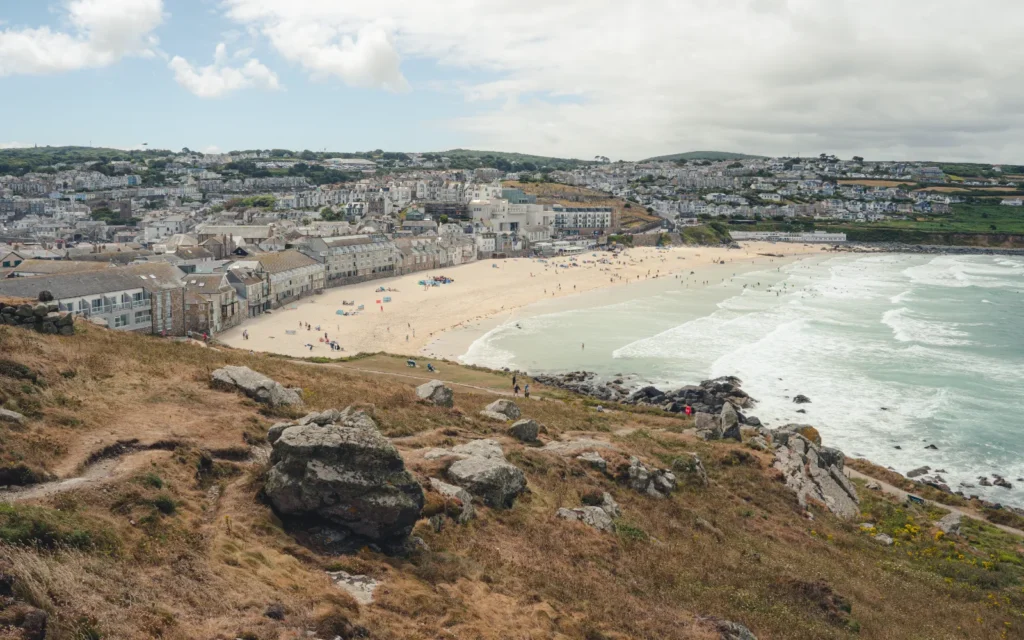
Beautiful, worth a half day, but firmly in tourist mode. Crowded in summer, parking is a challenge, and the atmosphere has a performative quality that can wear thin quickly. Full guide here.
Verdict: Overrated (But still worth the visit)
North Cornwall
Tintagel Castle
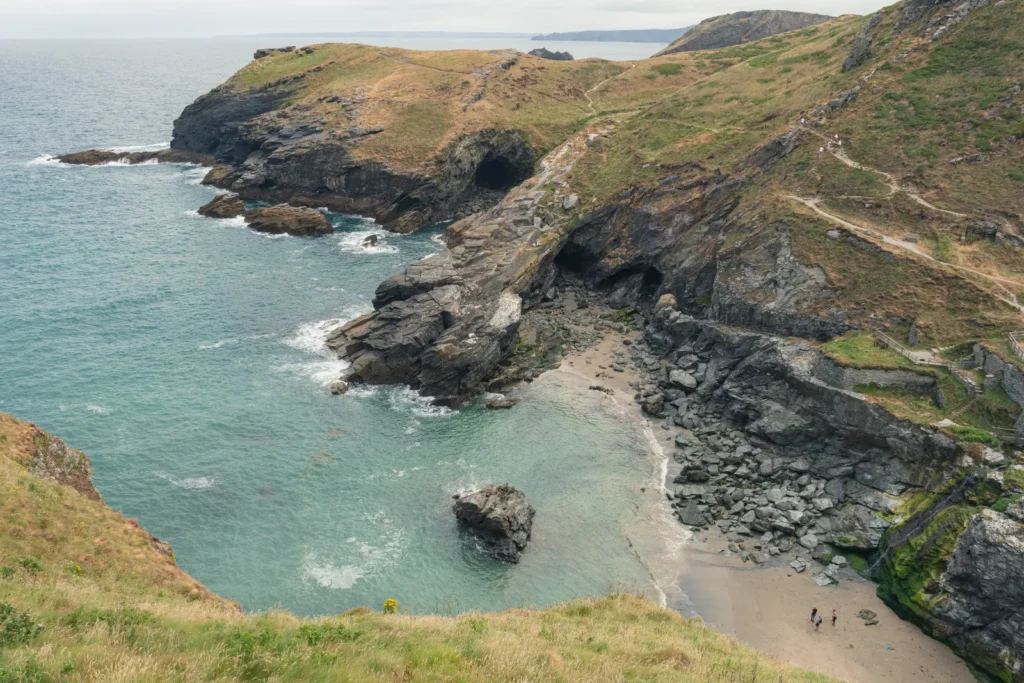
On the north coast, Tintagel’s clifftop ruins are worth seeing for the dramatic coastal setting alone. English Heritage manages the site, and the NZ Heritage pass will work here for free entry booked online, read on how to get it here. The approach involves a lot of steps down and back up. The information boards around the site are engaging, telling the history through different perspectives: the smith’s tale, the monk’s tale, the chef’s tale. There’s a village at the top with cafes but not much beyond the castle and the coastline.
Postcode: PL34 0HE.
Verdict: Rated.
Port Isaac is worth a stop on the same north coast run. Park above the village and walk down through the narrow streets to the harbour. The surrounding coastal path is excellent.
Padstow is a good lunch or cycling stop. Walk the harbour, hire bikes for the Camel Trail, and move on rather than spending a full day.
The South Coast and Lizard Peninsula
Kynance Cove
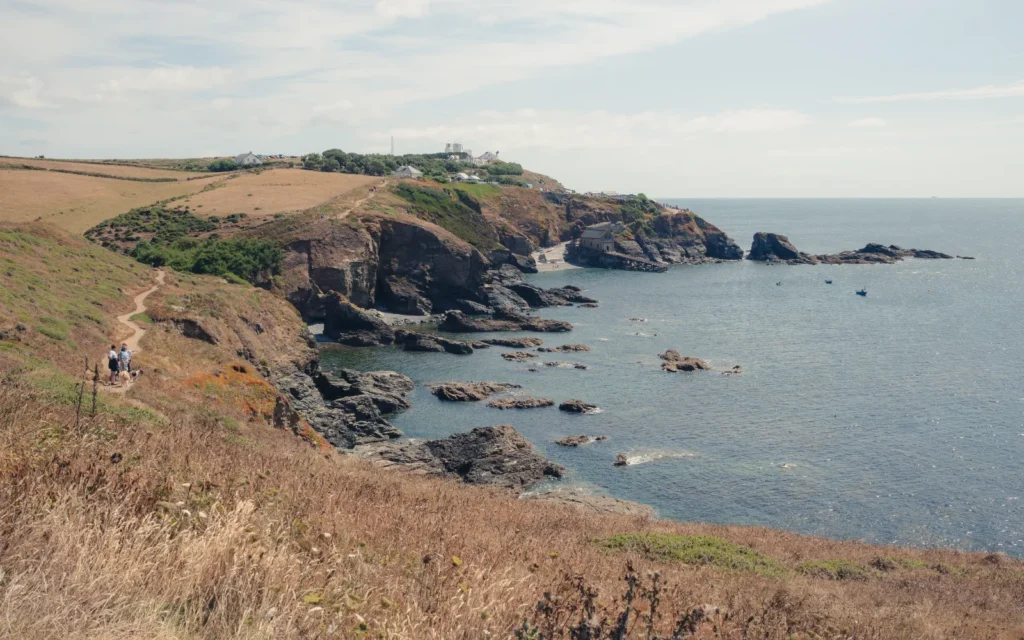
One of the most photographed spots in Cornwall. A small sandy beach flanked by extraordinary dark green and red serpentine rock formations unlike anything else in England. At low tide you can explore the caves and islands around the beach. Check the tides before going.
National Trust car park at postcode TR12 7PJ. Parking £2 to £10, free for National Trust members. Pay by coin, card, or JustPark app (code 80599). Ten minute walk down to the beach on a sloping path, steep steps at the end.
From Kynance, a 2.5 mile coastal path leads to Lizard Point, the most southerly point on the British mainland. Walk the coast path rather than driving to Lizard Point itself since there’s not much there beyond the geographic fact of it.
Verdict: Rated.
Porthleven is worth a stop on the way to or from the Lizard, particularly for lunch along the harbour front.
Lantic Bay near Fowey on the south coast involves a 15 minute walk down from a National Trust car park at the top of the cliff. At the bottom is a quiet sandy beach with no facilities and good swimming. The effort keeps it quieter than almost any comparable beach in the county.
Falmouth deserves at least a half day if you’re in the area. The National Maritime Museum Cornwall, independent restaurants along the waterfront, and a town that feels like it actually has residents rather than just visitors.
Mid-Cornwall and Bodmin Moor
Bodmin Moor: The Cheesewring Walk
Not coastal, and all the better for it. The Cheesewring is a naturally formed granite tor on Stowe’s Hill above Minions village, where layers of rock have been stacked by erosion into a formation that looks improbable. The walk up from Minions passes the Hurlers, a set of three Bronze Age stone circles on the open moor, then up the hill to the Cheesewring itself where you can clamber on top and look out across the moor. On the descent you’ll see old mine engine houses and a natural quarry. About an hour at a relaxed pace, longer if you want to keep going. Free parking in Minions, postcode PL14 5LE.
Verdict: Rated.
The Eden Project near St Austell is one of those places that sounds gimmicky. Typically recommended by all Cornwall guides, two large geodesic biomes containing full-scale tropical and Mediterranean ecosystems built inside a former china clay pit. Adult entry around £35, which stings, but the scale of what’s been created is supposedly impressive. A good option for a day when the weather is uncertain since the main attractions are indoors. I didn’t go as I’ve grown weary of such manmade attractions so I’ll let you be the judge.
Quieter Beaches Worth Seeking Out
Porth Joke (Polly Joke) on the north coast near Newquay requires a 10 to 15 minute walk from the nearest parking at Treago Mill. A wide, unspoiled beach in a sheltered bay that looks like it hasn’t noticed the rest of Cornwall has become a tourist destination. No facilities, which is entirely the point.
Prussia Cove east of Penzance is a small, remote cove with no facilities and limited roadside parking. Famous as a former smugglers’ haunt. Worth seeking out if you want to swim somewhere quiet.
Pedn Vounder near Porthcurno is one of Cornwall’s most spectacular beaches, accessed by a steep path down the cliff. Clothing optional by tradition and extremely beautiful. Tide-dependent and the path is genuinely steep: check both before going.
Saving Money on Entry
If you’re visiting multiple National Trust or English Heritage sites, the Heritage New Zealand International Visitor Pass is worth looking at. Anyone in the world can buy it, it costs around £40 for a year, and it covers free entry to hundreds of NT and English Heritage sites across the UK. I saved significant money using it across Cornwall including at Tintagel, which is an English Heritage site, by booking online. Full details here.
Cornwall Verdict: RATED
Further than you expect, more rewarding than you might predict, and full of traps that will separate you from your money if you’re not paying attention. Go in September, skip Land’s End, do the Minack, eat the fudge, and find at least one beach that takes some effort to reach.