UK Travel Tips: What Nobody Tells You Before You Arrive
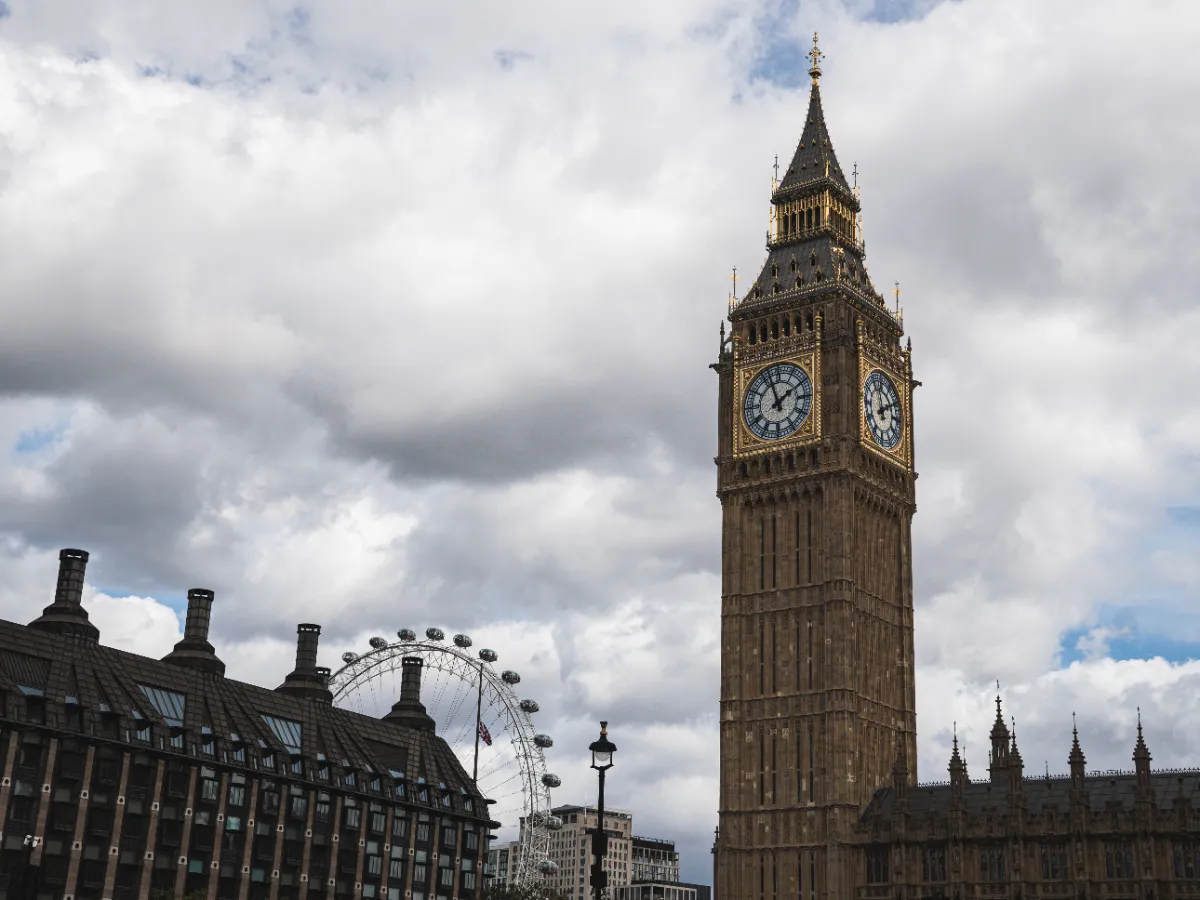
The UK is an easy country to navigate until it isn’t. The signage is good, the language barrier is nonexistent for English speakers, and the infrastructure is excellent. What catches people out is the cost, the unwritten social rules, and the gap between what they expected and what they find. Here’s what’s worth knowing before you land.
Money and Payments
The UK is as close to a cashless society as anywhere on earth. You can walk out of Heathrow, catch a train, grab a coffee, eat lunch, and get into a pub without touching a single note. Every pub, bus, market stall, and corner shop takes contactless. Some venues are card only and won’t take cash at all. I’ve lived here for almost a year now and haven’t needed to use cash at all.
The one thing worth knowing: tap a physical card and the contactless limit is £100. Above that, the machine asks you to insert and enter your PIN. Tap with Apple Pay or Google Pay and that limit disappears at most major retailers, because biometric authentication counts as verified. Worth knowing before you try to pay for a hotel at the front desk with a tap and get confused when it asks for your PIN.
ATMs are everywhere and usually free for withdrawals, but some charge a fee, particularly standalone machines in newsagents or corner shops. The fee is displayed on screen before you confirm. Walk to a bank branch ATM instead if you need cash and don’t want to pay for it.
Getting Around
Never buy a paper ticket for the London Underground. The system charges significantly more for paper tickets than for contactless, which is not clearly advertised and catches people out constantly. Just tap in and tap out with your bank card or phone. The daily cap kicks in automatically after a few journeys and everything after that is free for the rest of the day.The same contactless tap works on buses. Bus fare is £1.75 regadless of distance, and there’s a daily bus cap of £5.25 after which the rest of the day’s bus travel is free. More on London specific travel here.
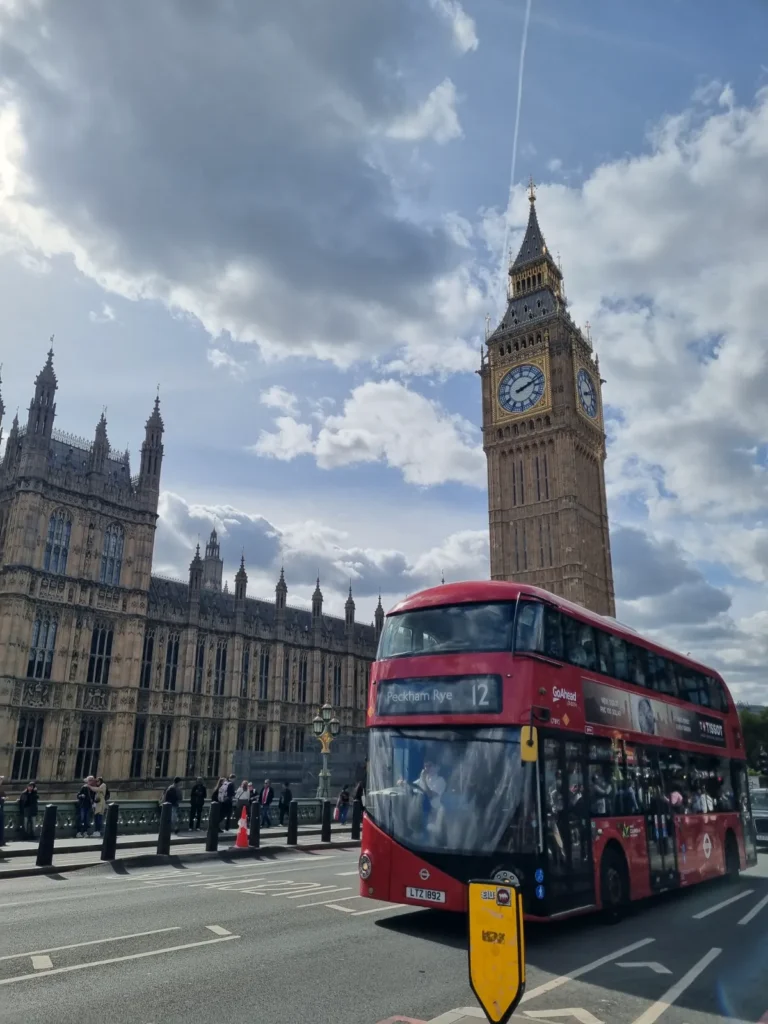
If you’re travelling between cities by train (the overground), book in advance rather than on the day. The same seat on the same train can cost radically different amounts depending on when you buy it. Trainpal splits tickets automatically to find the cheapest combination, often cheaper than booking a straightforward A-to-B fare on the main booking sites.
When walking on a standard two-lane road or pavement, keep left. This trips up visitors constantly, particularly on escalators in the Tube, where standing on the left will earn you a look of pure contempt from everyone behind you wanting to walk. Walking on the left, standing on the right on escalators.
The Social Rules
When someone glances at you and says “alright?” they are not asking about your wellbeing. They are saying hello. The only correct response is “alright” back, with a slight nod. Do not attempt to answer the question. There is no question.
Queuing is not optional. The British queue for everything, and cutting into a queue is one of the few things that will cause an otherwise reserved British person to say something out loud. Join the back, wait your turn.
If you’re in a pub and want a drink, go to the bar. Table service exists but is not the default in a traditional pub. You order at the bar, pay at the bar, and carry your drinks back yourself. The bar staff will see you when they’re ready. Making sustained eye contact and a slight raising of your chin is the accepted way to indicate you’re waiting. Waving is not. At a lot of places they now have a table number and qr code to order online if you’re not a fan of human interaction.
Pubs typically stop serving at 11pm on weekdays and midnight on weekends, with a bell rung around 10 to 15 minutes before. This is called last orders. If you want another round, go when you hear it.
The Weather
It will rain. Not necessarily for long, and not necessarily hard, but it will rain at some point on almost every trip to the UK regardless of the time of year. Pack a light packable raincoat and keep it accessible. Don’t bury it at the bottom of your bag.
The flip side: the UK at its best, on a clear day with good light, is genuinely beautiful. The countryside looks exactly like the films. Villages look exactly like the postcards. A sunny afternoon in the Cotswolds, on the South Downs, or walking through the Scottish Highlands is one of those travel moments that earns the grey days either side of it. In summer you might even find you can get away without seeing a drop of rain at all.
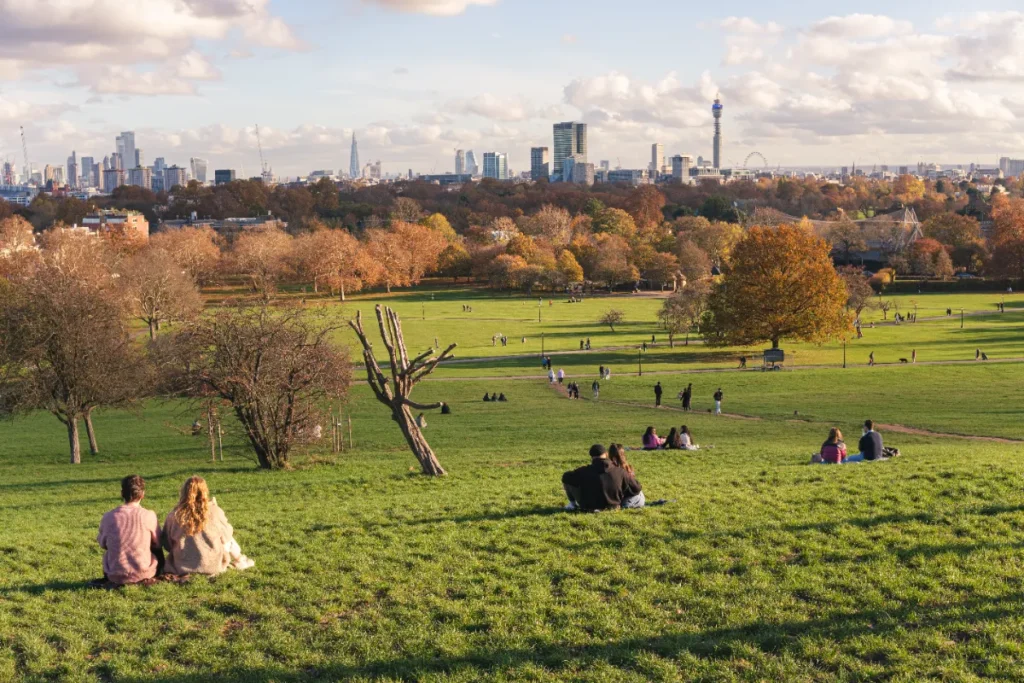
For weather, May to June and September to early October are the sweet spots. Long days, manageable crowds, and the kind of light that makes everything look better. July and August are warmest but also the busiest and most expensive.
The Free Stuff
London’s major national museums are free. The British Museum, the Natural History Museum, the V&A, the Science Museum, the National Gallery, the Tate Modern. All free. The permanent collections require no ticket, only special exhibitions charge entry. Book a free timed entry slot online for the bigger ones, particularly the British Museum and Natural History Museum, or you might queue longer than you’d like.

This is genuinely extraordinary and worth saying clearly: these are among the best museums in the world and they cost nothing to walk into. The Louvre charges €22. The fact that you can spend an entire day moving between world-class collections in London without paying a penny for entry is one of the best things about visiting the UK. For the attractions that aren’t free check out my thoughts on the London Pass. You might find that seeing all the major sights you want to see isn’t as expensive as you thought!
Outside London, many regional museums and galleries are also free. York’s National Railway Museum, the Manchester Museum of Science and Industry, the Baltic in Gateshead. Always check before assuming there’s a charge.
Food: What to Actually Eat
The reputation for bad British food is thirty years out of date. Don’t let it put you off.
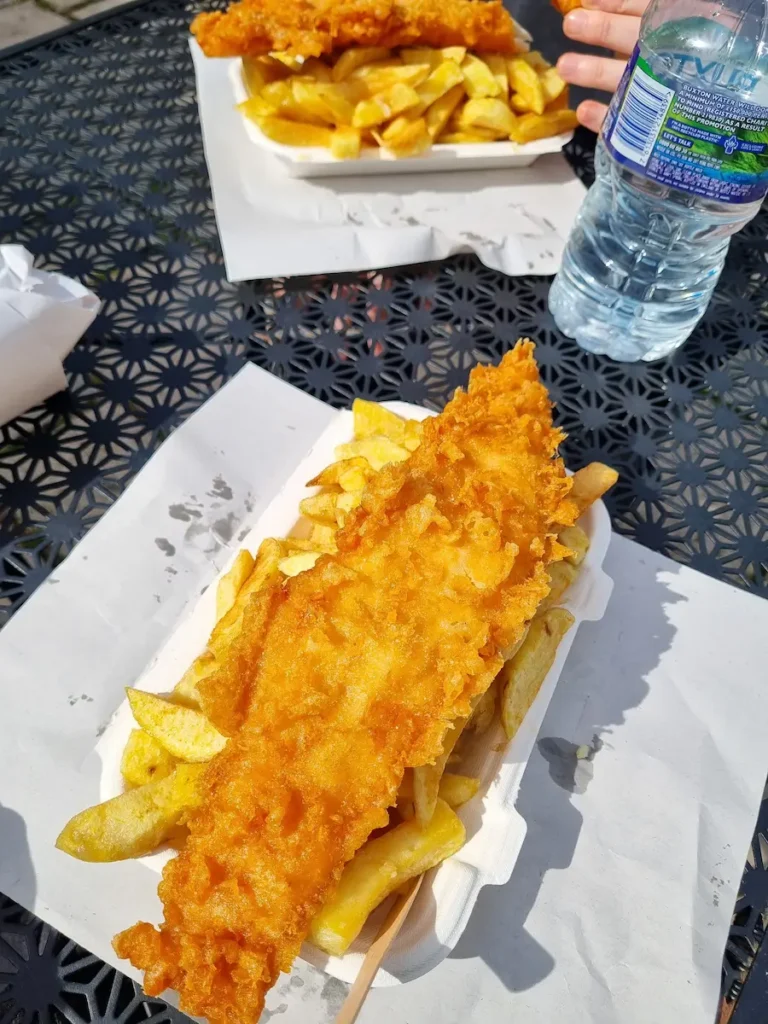
Things worth eating: a Sunday roast in a proper pub on a Sunday afternoon, specifically the roast beef with Yorkshire pudding, roast potatoes, and gravy version. Fish and chips from a proper chippy rather than a tourist seafront stall. A full English breakfast at least once, and try the black pudding rather than avoiding it on principle.
The UK’s curry scene is world class, a legacy of decades of Anglo-Indian cooking that has produced restaurants serving genuinely excellent food at prices significantly below what a comparable meal would cost elsewhere in London. Brick Lane in London is the obvious choice but also the most touristy; ask a local where they actually go.
Borough Market in London is worth the visit but expensive for eating. Go to look and graze rather than to buy your lunch. A meal there adds up fast. For some first timer pointers on how to navigate sustinence in the London and the UK in general without breaking the bank, check give this a read.
The Underrated Great Outdoors
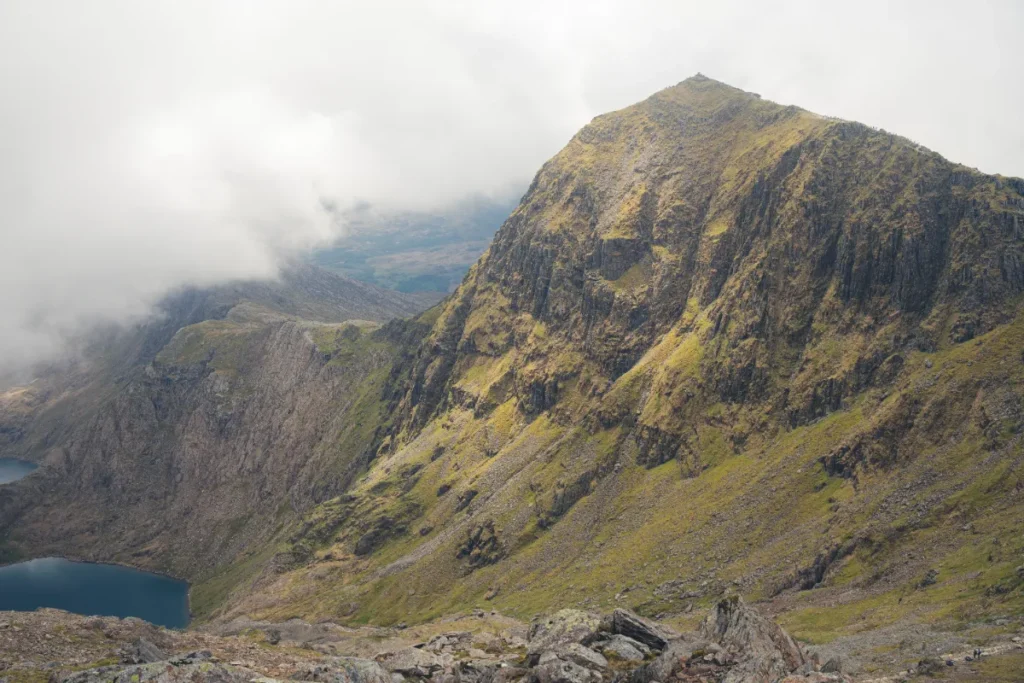
Most tourists visit the UK for history, pubs, and city life, completely overlooking the fact that the island contains some of the most dramatic, accessible wild landscapes in Europe. You don’t need an alpine peak to get world-class views; the UK’s terrain trades sheer height for moody atmosphere, ancient geology, and incredible hiking infrastructure.
Here are the key regions that deserve a spot on your itinerary if you want to escape the concrete:
- The Scottish Highlands: This is the UK’s wild frontier. Landscapes like Glen Coe and the Isle of Skye offer towering, rugged peaks, sweeping valleys (glens), and deep black lochs. It looks vast and isolated, but you can drive right through the heart of it on excellent roads.
- The Lake District: Located in northwest England, this region blends jagged mountain ridges (fells) with expansive, glassy ribbon lakes. It’s a paradise for hikers, with trails ranging from casual lakeside strolls to rocky scrambles up Scafell Pike, England’s highest peak.
- Eryri (Snowdonia): Found in North Wales, this national park offers a sharper, rockier landscape forged by slate and steam. The hiking here is spectacular, particularly around the massifs of Mount Snowdon, and the entire area is steeped in deep Celtic culture and language.
The one thing worth knowing: The Right to Roam. In Scotland, the Land Reform Act gives you the legal right to walk, cycle, and even wild camp responsibly across almost all land. In England and Wales, you are mostly restricted to designated “Public Rights of Way.” These paths cross directly through private farmlands, sheep pastures, and historic estates; just look for the yellow or blue arrows on wooden fingerposts, keep to the trail, and always shut the gates behind you.
Technology and Navigation
Download the Rick Steves Audio Europe app before you travel if you’re planning to visit any major London landmarks. The free walking tours of Westminster, the British Museum, and the West End are as good as a paid guide, available offline, and let you move at your own pace. It works for free with just headphones.
Google Maps handles the UK very well for both public transport and walking. Citymapper is a strong alternative for London specifically and handles live bus times and disruptions particularly well. Either works fine.
Mobile signal is generally good across cities and on main roads. Coverage gets patchy in rural areas and on some sections of the rail network through valleys and tunnels.
A Few Things Nobody Mentions
Tap water in the UK is perfectly safe to drink and consistently good quality. Ask for tap water in any restaurant and you’ll get it, free, without any awkwardness. You don’t need to buy bottled water.
Tipping is not mandatory in the UK the way it is in the US. In restaurants, 10 to 12.5% is appreciated and service charge is sometimes added automatically to the bill. Check before you add more on top. In pubs, tipping is not expected at all, though offering to buy the bar staff a drink is an accepted and appreciated alternative.
Pharmacies (chemists) in the UK are a useful resource beyond just medicine. Boots and Lloyds Pharmacy stock pain relief, plasters, vitamins, and basic first aid supplies without a prescription, and the staff are trained to give basic medical advice for common ailments. Worth knowing if you pick up a cold or a minor injury on the road.
Public toilets in the UK are inconsistent. Some city centres have good coverage, especially if you’re in London you can duck into a free attraction. Otherwise there’s always a pub nearby.
If you’re driving, remember you’re on the left. This is obvious in theory and surprisingly difficult in practice at the first few roundabouts. Roundabouts give way to the right. Speed limits are in miles per hour, not kilometres.
Finally: the UK uses three-pin plugs and the voltage is 230V, different from most of Europe and significantly different from North America. Bring a travel adaptor.