Tryfan: The Best Day I’ve Had in the Mountains
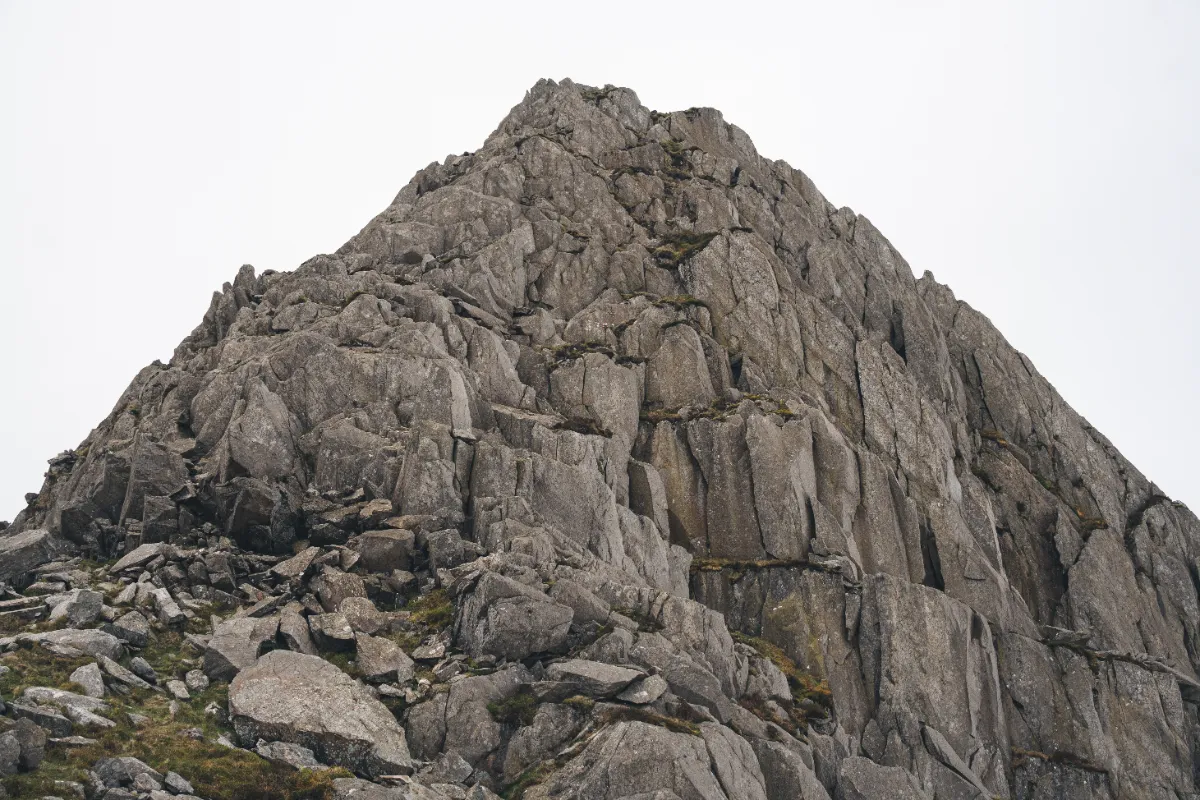
If you’ve done Crib Goch and came away wanting more of the same, Tryfan is exactly that. Same energy, same need to use your hands the whole way, same feeling that you’re climbing a mountain rather than walking up one. It’s the most fun I’ve had on any day out scrambling in the hills.
It’s also less busy than Crib Goch or Snowdon, mostly because the reputation of the North Ridge puts people off before they’ve even tried it. That reputation is partly earned and partly overblown, and I’ll get into both. That being said, be confident that you can pull yourself up somewhat vertical rock faces with good holds. Even a little climbing experience will do wonders here.
Footwear matters throughout all of this. Well-fitted boots or trail shoes with grippy soles that you trust completely. This is not a route to attempt in anything less.
Route summary: 4km round trip, 845m of ascent. Budget 4 to 5 hours total. Up the North Ridge (2.5 to 3 hours), down the South Ridge (1 to 1.5 hours).
Getting There
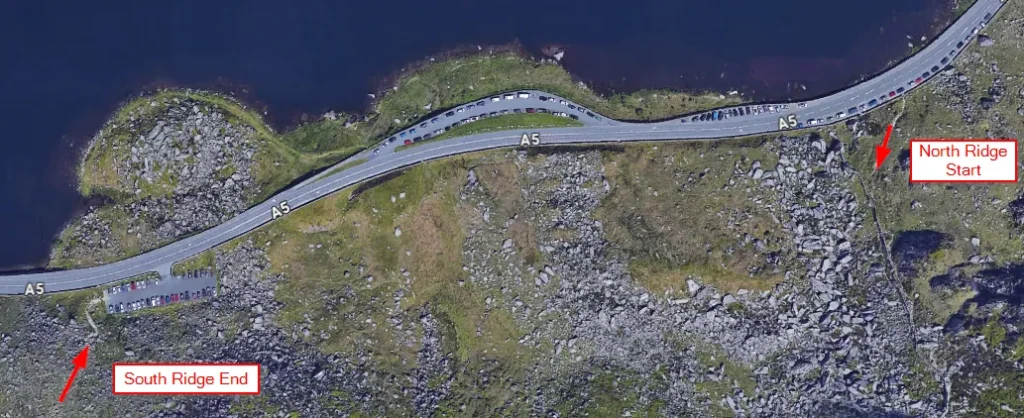
Free laybys sit right along the A5 at the base of the mountain, on the edge of Llyn Ogwen. Get there reasonably early on a weekend and you’ll find a spot. The mountain dominates the view from the road the second you arrive, which does wonders for the nerves before you’ve even started walking.
Up the North Ridge
I went up the North Ridge and came down the South Ridge, and that’s the way to do it. Don’t try descending the North Ridge. It’s far too steep and genuinely unsafe to come down the way you went up, and that’s also where most of the serious accidents on this mountain happen. Going up it, you have gravity working with you and a clear view of what’s ahead. Coming down, you’re stepping blind onto terrain you can’t see properly, on rock that’s already tired your legs. Up only.
The Route in Detail
From the layby to Milestone Buttress (15 minutes)
From the layby, go through the kissing gate and follow the path alongside a stone wall heading uphill. The Milestone Buttress is clearly visible ahead of you, a large rocky crag on the mountain’s northwest corner. Stay on the left side of the buttress as you approach, following the worn path as it bears left and rises up through boulders. This opening section is steep but straightforward walking, no hands needed yet.
Milestone Buttress to The Cannon (30 to 45 minutes)
As the ridge opens up above the buttress, the scrambling begins. The mountain is broad here, which is both liberating and slightly confusing: there’s no single obvious line. The best navigation guide is the rock itself. Look for lighter patches, the bits worn smooth and pale by thousands of other boots and hands before yours. Follow those patches and you’re on the most-travelled ground.
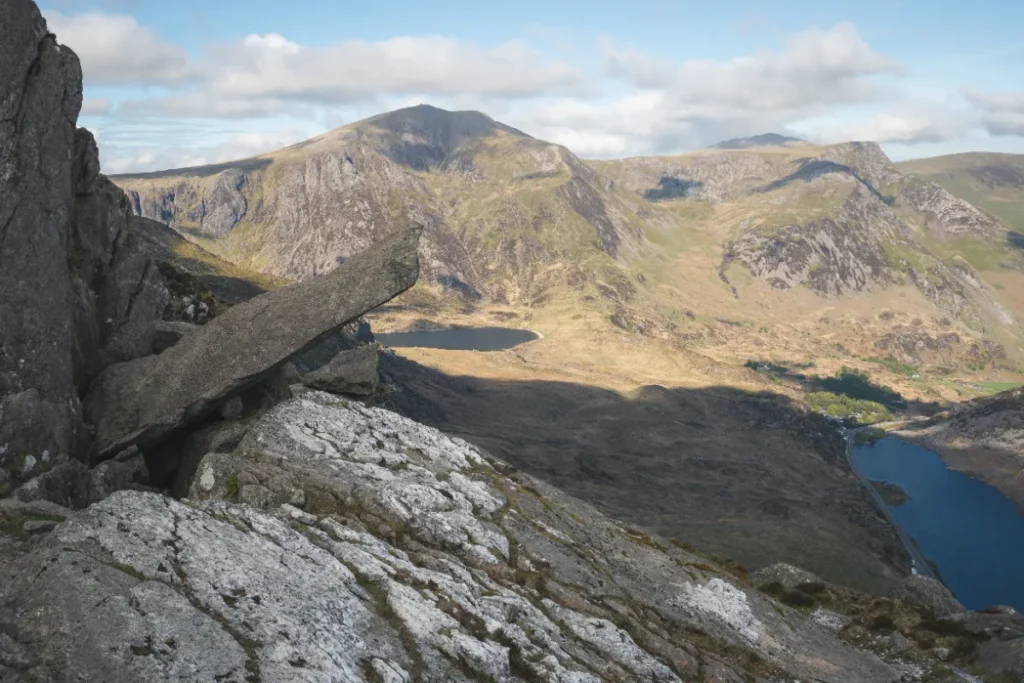
A useful landmark: The Cannon, a distinctive horizontal block of rock that sticks out from the ridge. It’s a popular stopping point and marks the beginning of the sustained scrambling proper. Stay roughly central on the ridge as you climb toward it. The key thing to avoid is drifting too far left, where you risk dropping onto the Heather Terrace, a path that bypasses the scramble entirely. Stay on the ridge, follow the worn rock, and you’ll find your way through.
The Cannon to the North Tower (45 to 60 minutes)
This is the meat of the route. From The Cannon, the ridge narrows and the climbing becomes more sustained. There are sections that can be avoided to the left and right, but the most direct and satisfying lines stay on the crest. Take your time with this section. If a line feels wrong, if you get partway up something and your gut says no, back down and try a different way. I did this more than once. Nobody’s keeping score, and there’s always another option a few metres to the left or right.
The whole climb plays a trick on you. You think you’re nearly there, you crest what looks like the top, and there’s another peak ahead. Keep going.
The North Tower is the final significant feature before the summit, a pinnacle of rock that feels more serious than what came before. The grade 1 option climbs a gully to the left of the tower. It’s clearly the most worn line at this point and easy to spot. I just kept climbing up and over the rocks in front of me, checking that what I was on felt secure, and trusted that the gully would deliver me to the top. It did. At the end of the gully it looks like a dead end. Climb on top of the rocks here to get to the top of the North Tower.
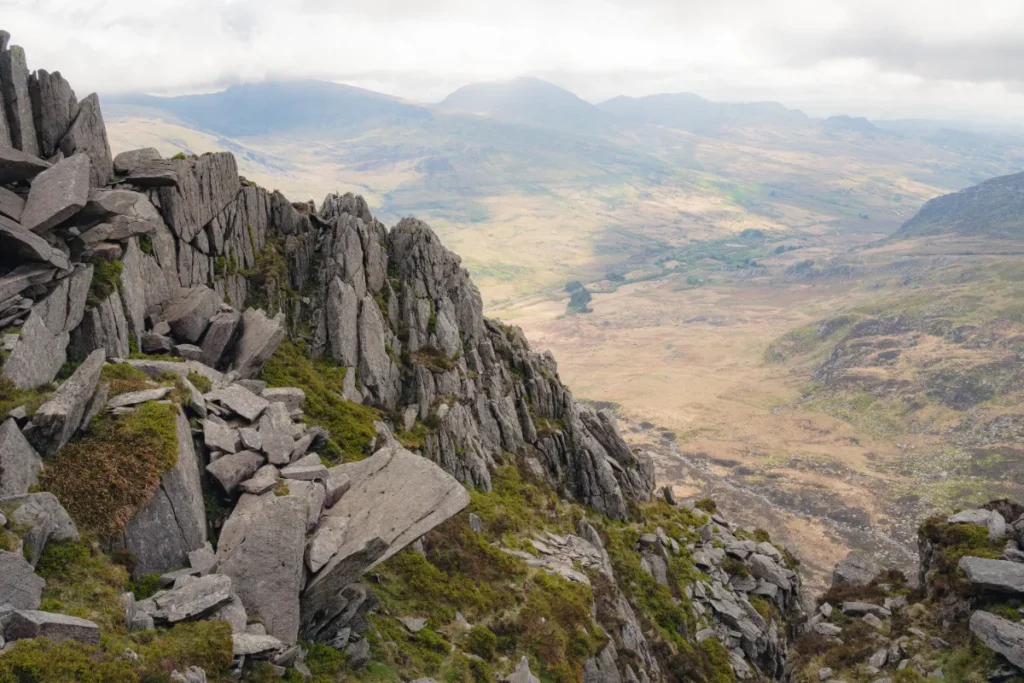
The Summit
At the top sit the two famous stones known as Adam and Eve. There’s a tradition of jumping between them to earn the freedom of Tryfan, which I’ll admit I didn’t attempt. The drop either side isn’t one I fancied gambling on. Take the photo from solid ground instead, no shame in it.
If the cloud’s cleared, the view from up here is one of the best in Snowdonia. Take a proper break. You’ve earned it.
Down the South Ridge
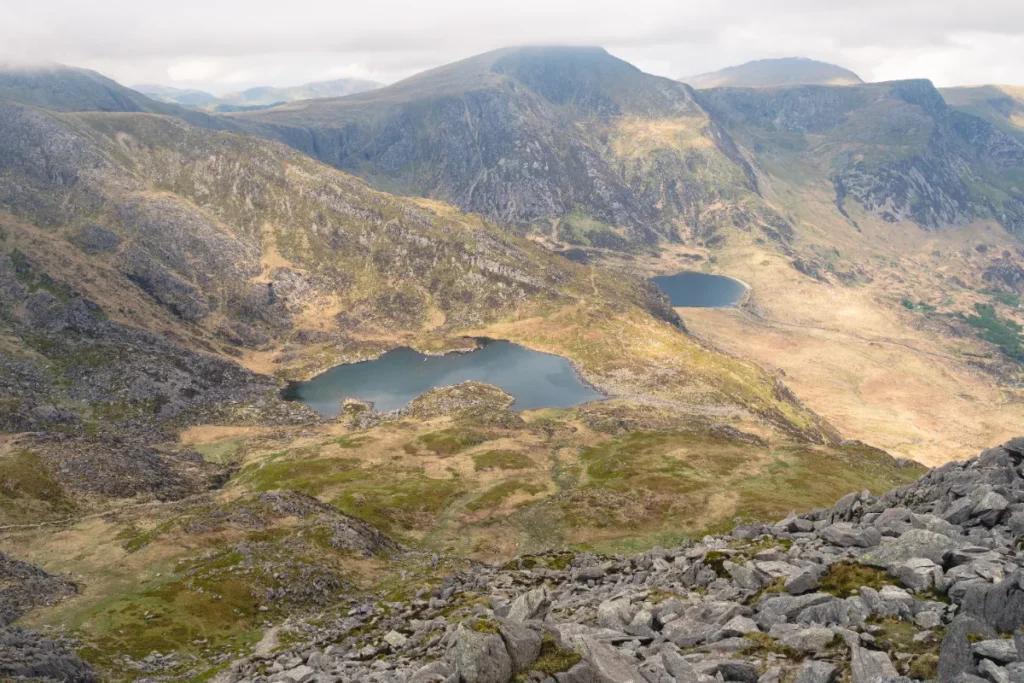
Head down in the opposite direction from how you came up, the South Ridge. There’s a bit more clambering over rock to start, but nothing close to what you’ve just done. It eases off fairly quickly into a normal path as you drop down to Bwlch Tryfan, the col below the summit.
From Bwlch Tryfan, head west following the path down toward Llyn Bochlwyd. The descent passes the lake on the left, a perfect quick dip stop if you’re up for it and the weather’s playing along. I didn’t on the day, but I’ve regretted it slightly ever since. From the lake, a boggy but obvious path leads back north to the A5 and the layby.
North Ridge vs Crib Goch
If you’ve done Crib Goch and loved it, do this. The two routes test different things. Crib Goch is about exposure: a narrow ridge with serious drops on either side that will test your head for heights more than your climbing ability. Tryfan’s North Ridge is about hands-on climbing: less knife-edge exposure, but considerably more sustained scrambling where you’re using your hands almost constantly for hundreds of metres.
The North Ridge is harder overall than Crib Goch, mostly because of the sheer amount of climbing involved and the route-finding demands. If you haven’t done any scrambling before, try Crib Goch first and use this as the next one up. If you haven’t done Grib Goch yet check out my guide here.
You don’t need to be a climber, but it helps if you’ve got some experience moving over rock and you’re comfortable holding your own body weight on your hands. It’s more about confidence at height and trusting your grip than fitness.
The Reality of the Risk
People have died on this mountain, mostly while trying to descend the North Ridge rather than going up it, or getting caught out by weather. Go up the North Ridge, never down it, check the forecast properly, and don’t push on if a section doesn’t feel right. Do that and you’ve got one of the best days the UK has to offer.
Don’t do this in the rain. The rock gets properly slippery when wet, and the appeal of careful route-finding disappears if you can’t trust your footing.
Verdict: UNDERRATED
Harder and more rewarding than Crib Goch. Go up the North Ridge, down the South Ridge, never the other way, and give yourself plenty of time to find your own way through. Unbelievably fun.