Buying a Camera for Travel: What I Actually Use and What I’d Buy Today
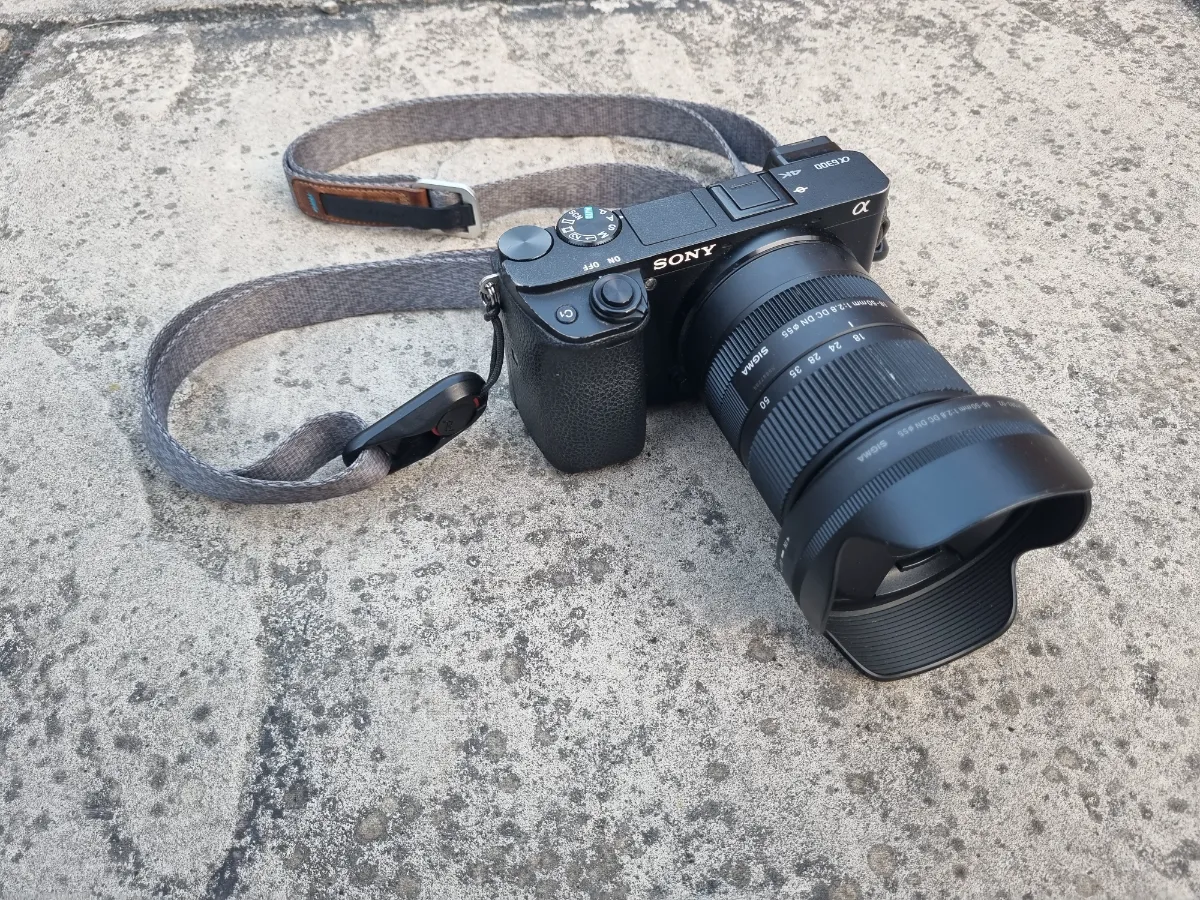
Most camera buying guides are written by people who either get paid by manufacturers or have never taken a camera further than their back garden. Here’s a more useful version: what I actually shoot on, what I’d buy starting from scratch, and why most of the decisions people agonise over don’t matter as much as they think.
Forget DSLRs
You may have heard the term DSLR. These are the cameras with a mirror inside that flips up when you take a shot. Most manufacturers have stopped making them. Mirrorless cameras are lighter, smaller, faster to focus, and better in almost every measurable way. If someone tries to sell you a DSLR, back away slowly, it’s old tech.
You’re Not Just Buying a Camera
This is the thing most first-time buyers miss, and it’s the most important thing to understand before spending any money.
A camera body is half the equation. The lens is the other half, and arguably the more important half. A mid-range body with a great lens will take better photos than a premium body with a poor lens. The body doesn’t matter as much as you think. The lens does.
Why this matters for your first decision: once you start buying lenses for one manufacturer’s system, switching becomes expensive. You’re not just buying a camera. You’re choosing a platform, like choosing between iPhone and Android, except the switching cost is several hundred pounds of glass you can’t use on the new system.
Choose once. Commit.
Two Manufacturers Worth Considering: Sony and Fuji
Canon and Nikon exist. Sony and Fuji are the ones doing the most interesting work at this level and the only two worth seriously considering for travel photography.
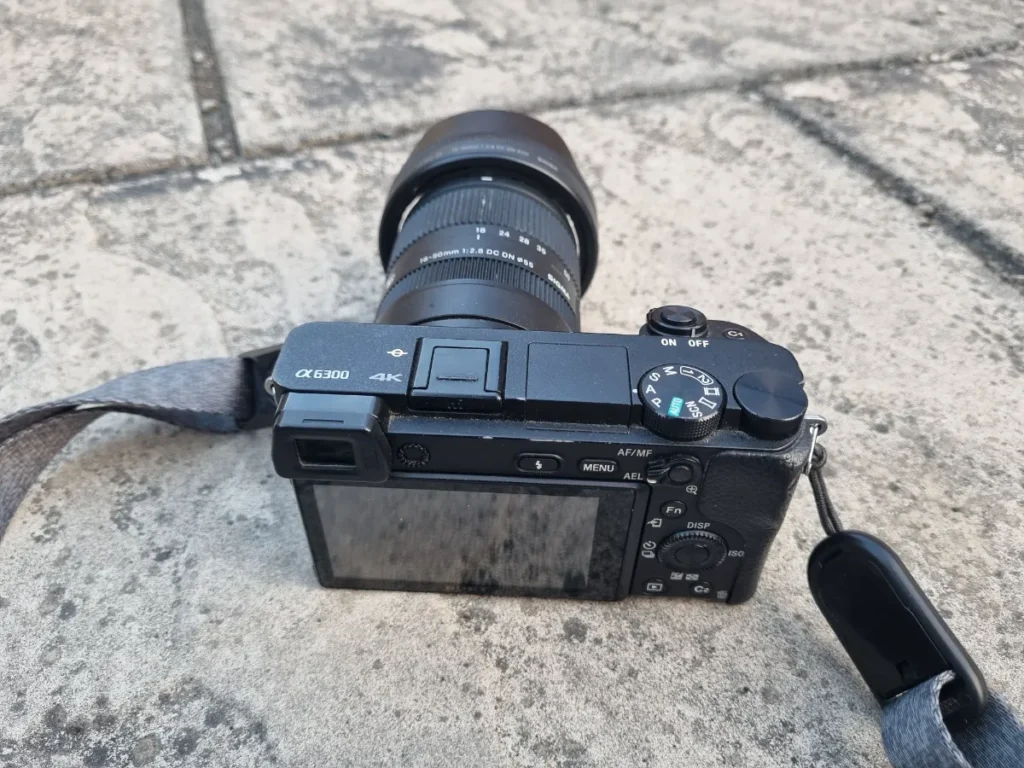
Sony is the more technical choice. Class-leading autofocus, excellent sensor performance in variable light, and the largest selection of lenses of any mirrorless system, including a wide range of affordable third-party options from Tamron and Sigma. The bodies are purely functional: black boxes with buttons where you need them. You’re not meant to enjoy holding it. You’re meant to take good photos and edit them in Lightroom afterwards.
For landscape and street photography, Sony’s autofocus and low-light performance are hard to argue with. Point it at a scene, it finds focus fast. In changing light on a city street or a hillside in poor weather, that matters.
Fuji is the more enjoyable camera to actually use. Physical dials for shutter speed and aperture sit on the body like a film camera. The build quality feels considered. The film simulations baked into the camera, Velvia for landscapes, Classic Chrome for street, Acros for black and white, produce images that look great straight out of the camera without touching editing software. If you want to spend less time at a screen and more time out with the camera, Fuji makes a very compelling case.
For travel specifically, Fuji’s film simulations are a real practical advantage. Shoot JPEG with a simulation dialled in, offload to your phone, post it. Done. No editing required if the light was decent.
Lenses for Fuji are well regarded but the range is smaller and there are fewer affordable third-party options than Sony. Slightly more expensive for equivalent specs.
Neither is wrong. If you love editing and want the most technical performance, Sony. If you want to enjoy the act of shooting and spend less time at a computer, Fuji.
APS-C vs Full Frame: Start Smaller
Full frame cameras have a larger sensor. Professionals use them for portrait work, serious low-light situations, astrophotography, and large print work. They’re also heavier, bulkier, more expensive, and the lenses cost considerably more.
For travel photography, landscape and street, APS-C is the right call. The size and weight advantage is real and it matters when you’re carrying a camera all day in a city or on a trail. The camera left at the accommodation because you couldn’t be bothered to carry it takes no good photos at all.
You won’t run out of sensor with APS-C. The photos on this blog were taken on an APS-C camera or on a phone. It’s enough.
Buy Used, Buy the Body Only
Camera technology moves slowly at the level most people shoot at. The practical difference between a body from three or four years ago and one from today is marginal for landscape and street work.
People buy cameras, discover that good photos still require effort, and sell the camera six months later in near-perfect condition. Buy that camera.
The used market for these cameras is excellent. MBB, eBay, and dedicated camera retailers all carry used bodies in good condition at significant discounts, usually with some form of warranty. The risk is low.
Buy the body only. Don’t let the shop bundle in a kit lens. The lens in the box is rarely the one you’ll want to keep, and you’re paying for it whether you use it or not. Research the right lens for what you’re shooting and buy it separately.
What I Shoot On: Sony a6300
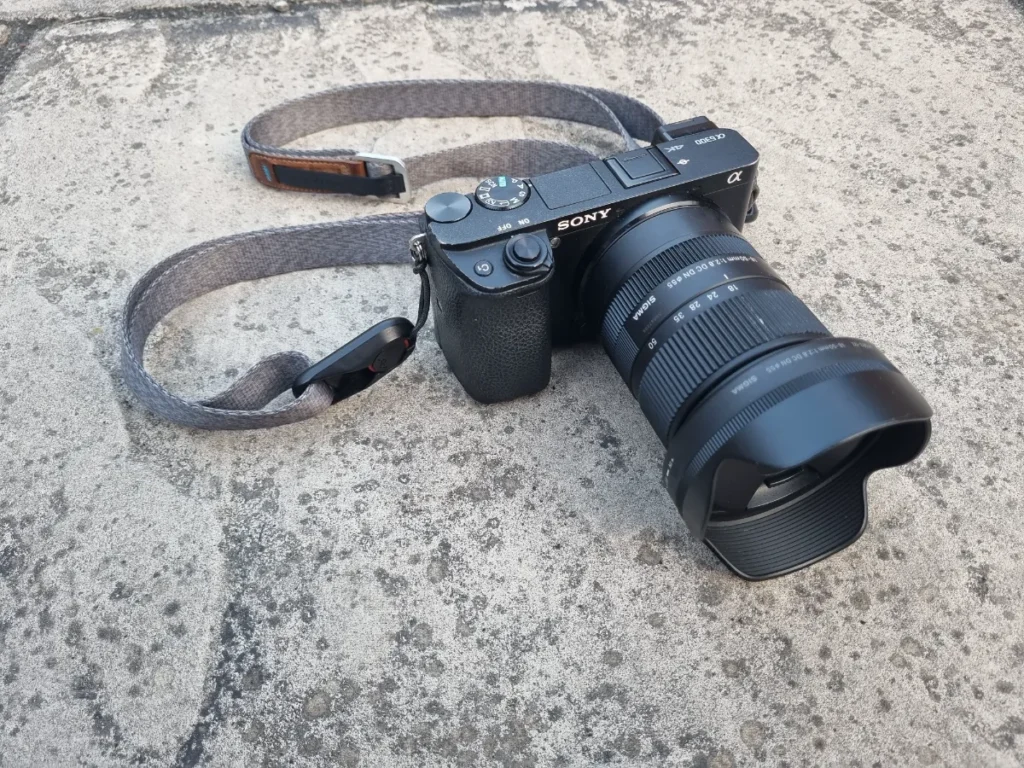
The a6300 has taken most of the photos on this blog. It’s a solid camera and capable of excellent results. If you find one secondhand at a reasonable price it still performs well, though the autofocus shows its age compared to newer options and the buffer fills up faster than you’d like in continuous shooting.
If I were buying this body today, I’d step up to the a6400 without much deliberation, given that the a6300 is over 10 years old now. The autofocus improvement alone is worth the difference.
What I’d Buy Today
Sony a6100 — used around £250 to £350 for the body. The entry point into the Sony APS-C system. Sensor and autofocus performance are genuinely strong at this price. A solid starting camera that won’t limit you.
Sony a6400 — used around £400 to £550 for the body. A step up in build quality with a flip screen useful for shooting from low angles on street or framing landscape compositions without lying on the ground. The autofocus is among the best in class for an APS-C camera. This is the one I’d choose.
Fuji X-T30 II or III — used around £500 to £650. The Fuji equivalent. More money for equivalent specs, but the film simulations and shooting experience make that worth it if the Fuji approach appeals. For travel where you want minimal processing time, this is a strong case.
The One Thing That Actually Improves Your Photos
It’s not the body. It’s not the lens, though a great lens helps. It’s taking more photos in more situations and paying attention to what works and what doesn’t. A used £350 body used constantly, every day, in every kind of light, will produce better results than a £2,000 camera that stays in the bag most of the time.
Get something decent, get out with it, and stop reading camera reviews.