Bath in Half a Day: The Roman Baths Are Worth It, the Shopping Isn’t
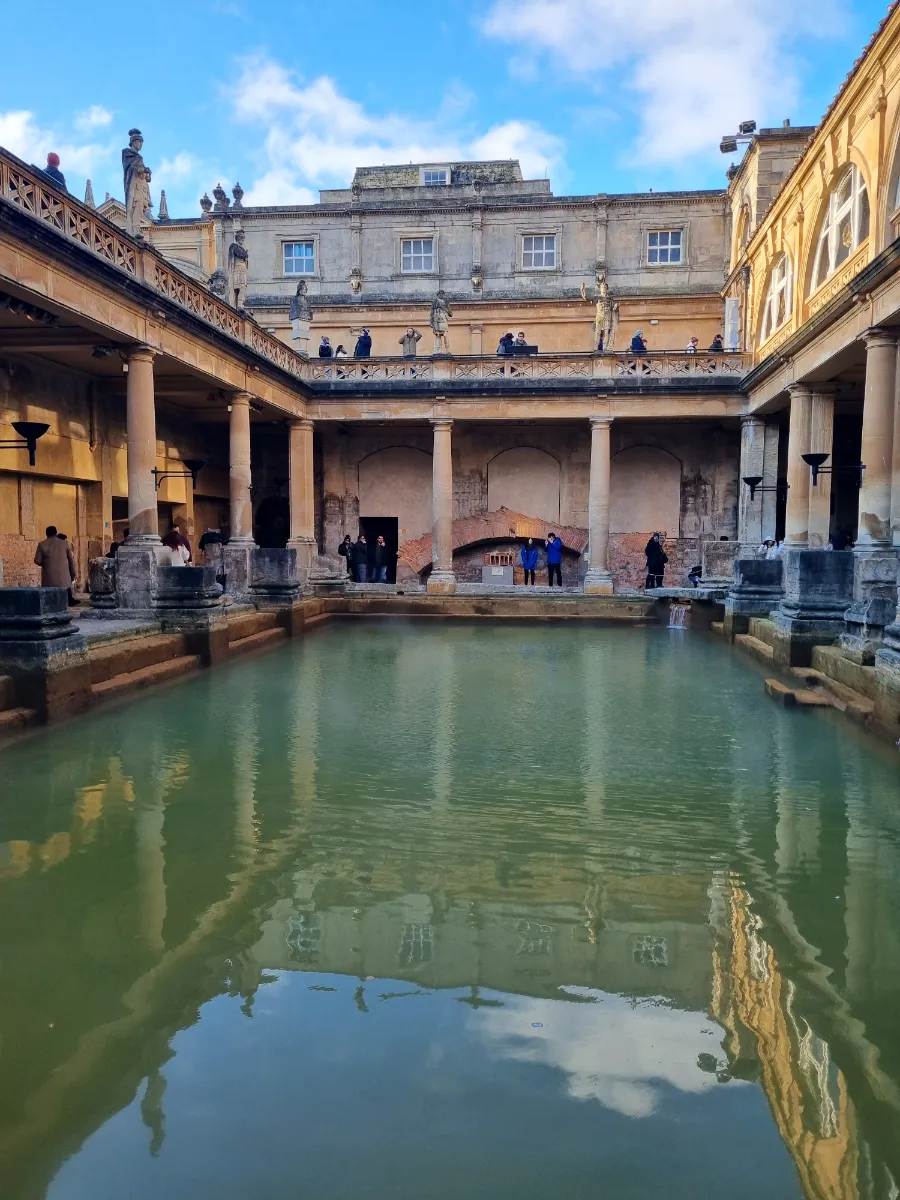
Bath is one of the easiest big days out from either Oxford or London, and the Roman Baths alone make it worth the trip even if you’ve got limited time. I went for half a day and felt like I’d seen the place properly.
Getting There
From Oxford, the direct train takes around an hour, sometimes closer to 55 minutes on the faster services, with fares starting from around £11 if you book ahead. From London Paddington it’s about an hour and a half on a direct train, with the fastest services doing it in just over an hour, and tickets from around £35 if you book in advance. Both routes run frequently throughout the day, so there’s no real need to plan your timing too rigidly. Remember to get a Railcard if you’re under 31 to drop the price by a third. More on that here.
Once you’re there, the whole city centre is fully walkable. I didn’t need transport of any kind once I’d arrived.
The Town Itself
Walking around Bath is genuinely pleasant, though the centre has leaned hard into being a commercialised high street shopping area in recent years. Given how close it sits to London and Bristol, it’s become a popular weekend getaway, and the crowds reflect that. Expect it to feel busy, particularly on a Saturday, and don’t expect a quiet stroll through the main streets.
The Roman Baths: The Main Event
This is the reason to come, and it delivers. I mean, the town’s named after it. What do you expect.
Entry costs £29 on a weekday or £33 at weekends and bank holidays if you book on the day, with advance booking saving you £2 on either price. Budget around an hour and a half to two hours here if you want to take it properly. It’s not cheap, but it includes a free audio guide that’s genuinely well done and worth taking your time over rather than rushing through.
The site itself is one of the best-preserved Roman remains anywhere in the world. More intact than any of the baths I visited in Rome. The Great Bath is the headline feature, a huge open-air pool still filled with naturally hot spring water, and you can actually see the steam rising off the surface as you walk around it. Standing at the edge of a 2,000-year-old bathing complex with steam genuinely drifting up into the cold air is one of those moments that photos don’t quite capture. Below ground you walk through the original Roman plumbing and heating systems, the Sacred Spring where the water still bubbles up from underground exactly as it did when the Romans first built around it, and a proper museum collection of objects pulled from the site over the centuries.
At the end of the visit, you get the chance to actually drink the spring water from a fountain in the Pump Room. I’d been looking forward to this part the whole way round. I won’t spoil exactly what it tastes like, but it’s an experience worth having for yourself rather than reading about beforehand. Give it a go. Leave a comment on your thoughts.
Verdict: Rated.
Around the Town: What’s Worth Your Time

After the baths, I walked up to the Circus, a striking circular street of Georgian townhouses, and on through to the Royal Crescent just beyond it. Both are unique bits of architecture and worth the short detour, even if you’re not particularly into Georgian buildings generally. The scale and symmetry of the Crescent in particular is worth seeing in person. Allow about 20 minutes to walk both and take it in properly.
If you want to go a layer deeper, No.1 Royal Crescent sits right at the end of the row and is a restored Georgian house museum showing exactly how a household here would have lived, upstairs and down in the servants’ quarters. Entry is £16 for adults, and it’s worth setting aside roughly an hour to an hour and a half if you go in. A nice add-on if the architecture outside has you curious about what was happening inside.
From there I crossed over towards Sydney Gardens. Honestly, it’s fine. It’s a relaxed stroll over the Pulteney Bridge straight through to the gardens. Pleasant enough walking past the symmetrical houses lining the street if you’ve got the time.
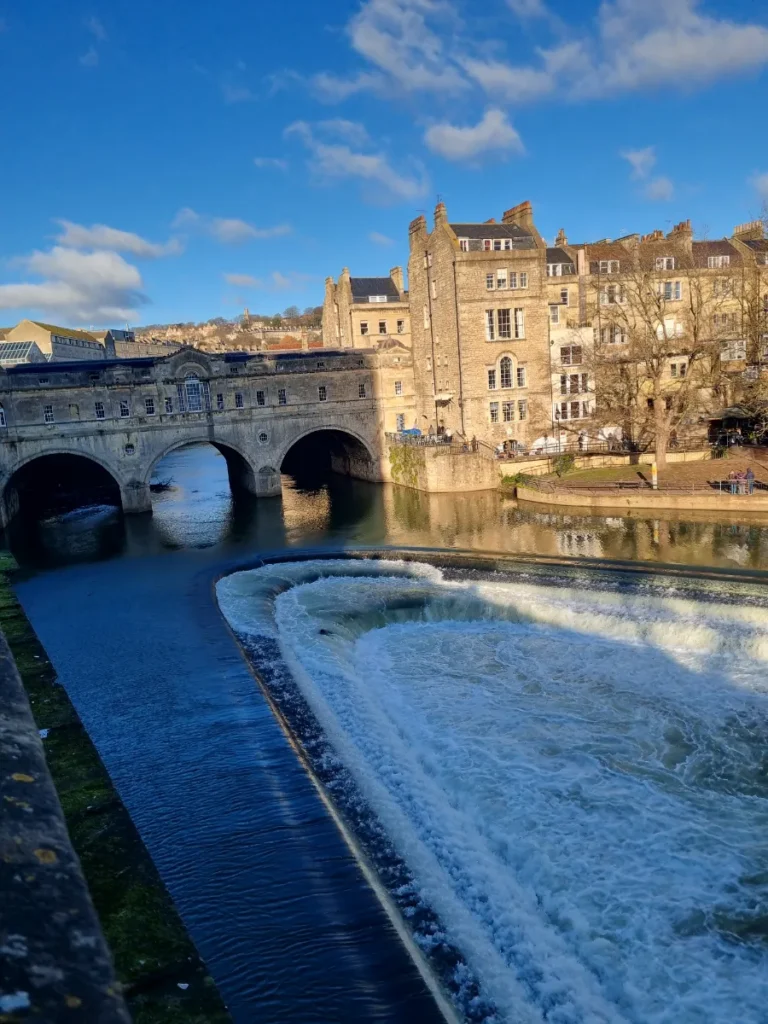
A better use of that time is Parade Gardens, down by the River Avon. From here you get a proper view of Pulteney Bridge and the weir beneath it, one of the better photo spots in the whole city and considerably more rewarding than Sydney Gardens. Pulteney Bridge itself is worth walking across (if you skipped the walk to the Sydney Gardens above) rather than just photographing from below, since it’s one of only a handful of bridges in the world with shops built across the full span on both sides.
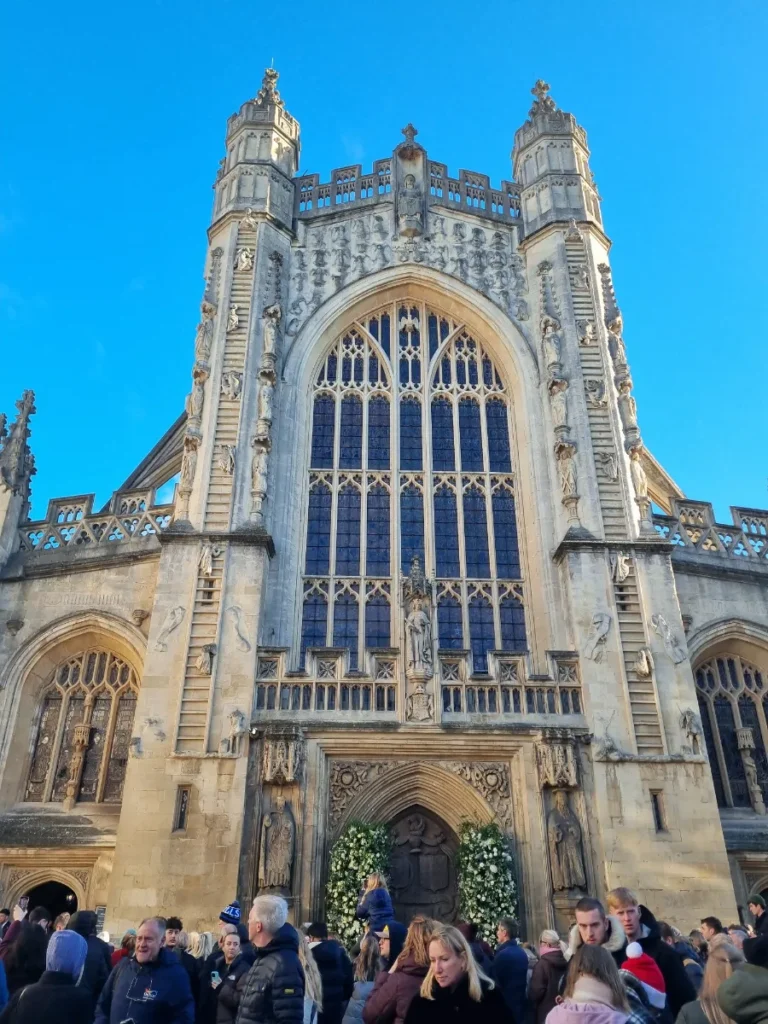
Bath Abbey sits right next to the Roman Baths, and it’s worth knowing this is where a lot of famous weddings have taken place over the years. Going inside costs money, so I gave it a pass given time constraints, but the exterior alone is worth a look as you pass through.
If you want some context before deciding how to spend your time, the Bath World Heritage Centre is a good first stop. It’s free, gives you a solid overview of the city’s history and UNESCO status, and helps you get a good idea of what’s on offer.
A Few More Things Worth Considering
If you’ve got longer than half a day, or you’re after something the Roman Baths don’t give you, a few options worth knowing about:
Thermae Bath Spa, a short walk from the Roman Baths, is the place to go if you actually want to get in the thermal water rather than just look at it. The Roman Baths themselves are strictly look-don’t-touch. Thermae uses the same natural springs and includes a rooftop pool with views across the city. A two-hour session runs from around £40 and is a genuinely different kind of visit, more spa afternoon than history lesson.
The Jane Austen Centre comes up on every list of things to do in Bath given her connection to the city, and it’s worth a mention since you’ll see it everywhere. I haven’t been myself, so can’t give a verdict on it, but it’s there if Austen is your interest.
Bath Christmas Market, if you’re visiting in late November or December, is consistently rated among the better Christmas markets in the country. Worth planning a trip around specifically if the timing works, rather than squeezing in alongside everything else here.
The Bottom Line
Bath works well as a half day trip from either Oxford or London, easily done as a direct train there and back without needing to stay overnight. The Roman Baths alone justify the journey, and the walk around the Georgian architecture and riverside adds a pleasant couple of hours on top. The town centre itself has become more shopping mall than historic gem in recent years, but that doesn’t take away from what’s genuinely worth seeing here. If you’ve never been, it’s worth the trip. One final tip: remember if you’re leaving by train back to London mid to late afternoon you may not get a seat. Try avoid peak travel times by leaving early or later.
Verdict: RATED
The Roman Baths alone make this worth a half day. Go early if you want to dodge the weekend crowds.