Do You Actually Need an Expensive Raincoat? No. Here’s Why
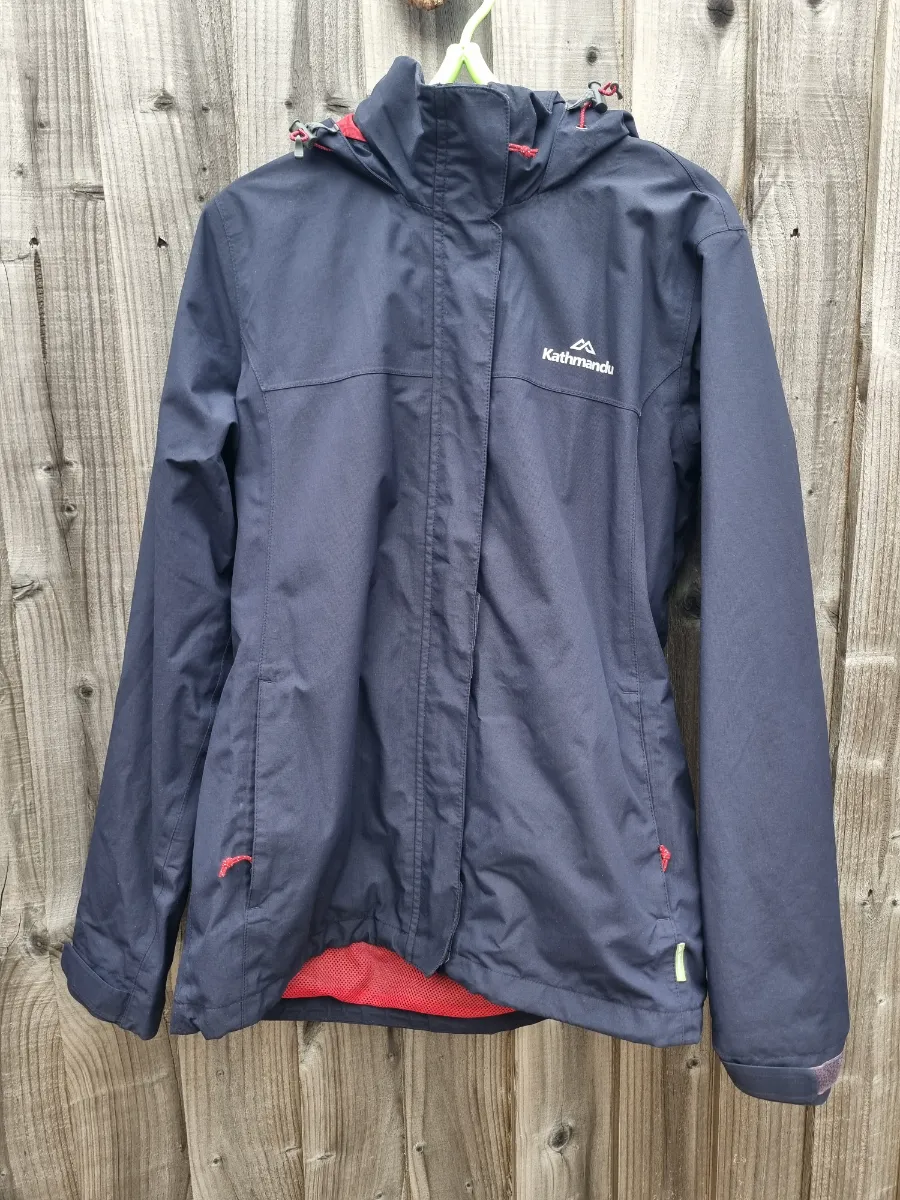
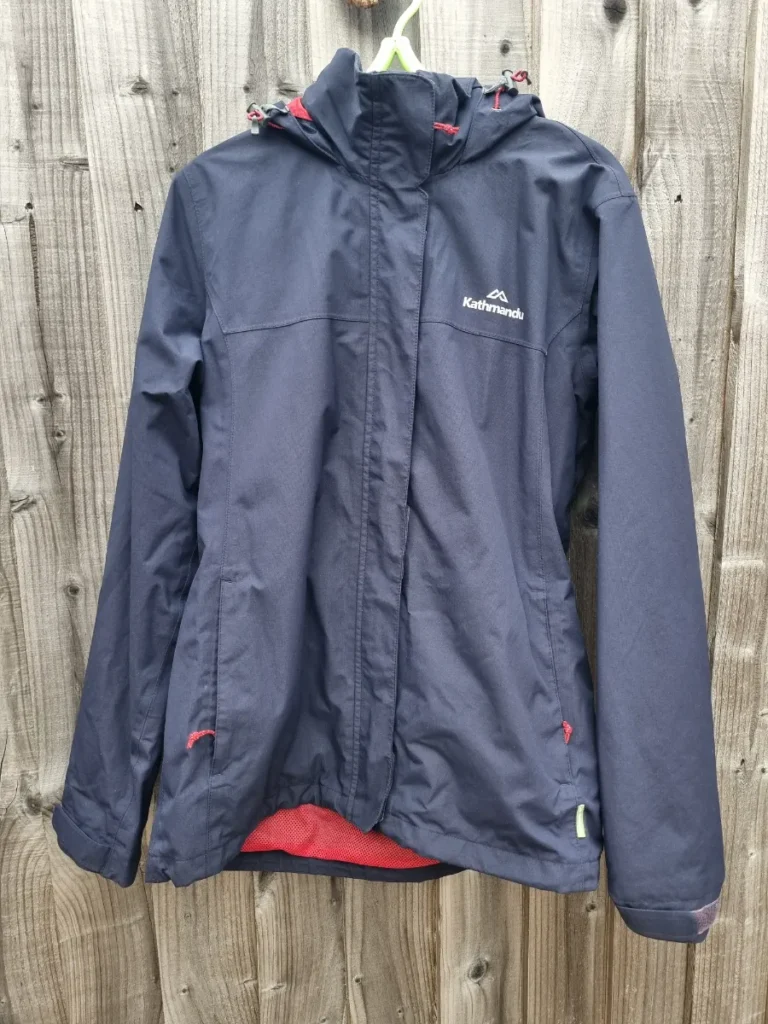
I own a Kathmandu raincoat I bought in New Zealand about ten years ago. Cost me around £40. I’ve worn it through prolonged torrential rain, gale-force winds above 100km/h, hail, and snow simultaneously, on a mountain. The arms got a bit damp in the really bad stuff. Otherwise fine.
I’m telling you this because I cannot explain why someone in central London is wearing a £300 Arc’teryx to walk between buildings in drizzle. Functionally, it does nothing that a £80 jacket from Decathlon doesn’t do. It looks the same. It works the same. It keeps you the same amount of dry. What it does differently is make a statement about how much money you spent on a raincoat, which is a statement most people in the rain are not particularly interested in receiving.
The Numbers, Briefly Explained
Waterproofing is measured by hydrostatic head (HH): how many millimetres of water a fabric column can hold before it leaks. Higher is better, but the gap between enough and too much is considerably smaller than the marketing suggests.
Here’s what the ratings actually mean:
- 5,000mm: Light to moderate rain. More than sufficient for commuting or city use.
- 10,000 to 20,000mm: Heavy or sustained rain. Hiking, travel, being outside in actual weather.
- 28,000mm+: Gore-Tex territory. For people spending serious time in serious conditions.
My Kathmandu jacket sits around 8,000mm and has held up in conditions most people in London will never encounter. For general city use, 5,000mm is enough. The rain between the Tube exit and your office is not a Scottish mountain in November.
Taped seams matter as much as the headline number. A jacket with 20,000mm and untaped seams will soak through at the stitching. Look for fully taped or critically taped seams if you’re going to be out in heavy rain for any length of time.
What About Gore-Tex?
Gore-Tex is a breathable waterproof membrane. It works well. It also carries a price premium that you don’t need to pay at the full Arc’teryx level to get it.
The Sprayway Vihar is one of the better Gore-Tex jackets available at the £100 mark, and it’s not alone. Budget Gore-Tex options exist around that price point and they carry the same 28,000mm waterproofing as the expensive alternatives. You’re not buying meaningfully better performance at £300. You’re buying a logo.
It’s also worth knowing that Gore-Tex is not the only way to get to 28,000mm and above. Plenty of jackets use their own proprietary membranes, eVent, Pertex Shield, and various own-brand equivalents, that hit the same waterproofing ratings without the Gore-Tex licensing cost built into the price. The Rab Kangri uses Gore-Tex and hits 28,000mm hydrostatic head, while the Rab Downpour Eco uses Pertex Shield Revolve at 20,000mm for considerably less money. The numbers exist at multiple price points. Gore-Tex is one route to them, not the only one.
Breathability: Slightly Overhyped
The idea is that breathable membranes let sweat vapour escape so you don’t get wet from the inside. That’s real. Whether you notice it in practice depends heavily on how hard you’re working and what you’re wearing underneath.
If you’re too hot, wear fewer layers. That works better than any membrane at any price. Every waterproof jacket is a compromise between keeping water out and letting air through. The marketing makes breathability sound like a solved problem. It isn’t.
Fit: The Thing That Actually Matters
Get a jacket that fits properly. Not so tight you can’t move your arms, not so loose it flaps in the wind. Big enough to take a couple of layers underneath in winter, not so boxy it catches gusts like a kite.
Don’t buy a lined raincoat. Once it’s warm you’re stuck with a warm jacket and no option to strip back. An unlined shell gives you flexibility year-round.
Hood fit is worth paying attention to. A good hood sits close to your face, adjusts easily, and has a stiffened peak. A bad hood fills with wind and becomes a sail attached to your head.
Weight and Packability
Ultralight jackets pack down small, useful for travel or carry-on trips where every gram counts. For most people the weight difference between jackets is irrelevant while wearing one. You’ll notice it in your bag occasionally. It’s not worth paying a significant premium for unless pack size is a genuine constraint for you. Bear in mind typically the lighter and thinner of the jacket material, the less durable it is and more likely you are to get a hole in it by accident or through wear and tear.
Avoid PVC or EVA coats entirely. Heavy, fully waterproof, zero breathability. You’ll sweat more than you’d get wet from the rain. They exist for fishing and construction, not for general use.
Armpit Vents
Some jackets have zip vents under the arms. If you move quickly or run warm, these are worth having. When you need them, you really need them. Look for them if you’re planning to hike hard or use the jacket in warmer conditions.
What to Actually Buy
Decathlon Quechua MH500, around £80. Simply the best no frills waterproof jacket under £100. 20,000mm waterproofing, decent breathability, unlined shell. If you damage it scrambling or leave it at a hostel, you won’t feel sick about it. That’s the practical advantage of a jacket at this price: you use it without treating it like a museum exhibit.
For Gore-Tex specifically, budget around £100. It exists at this price. Various brands frequently have their Gore-Tex Jackets on sale. You do not need to spend £300.
For anything over 28,000mm without the Gore-Tex price tag, look at jackets using eVent or Pertex Shield fabrics, a lot of brands have their own proprietary waterproof membrane system. The number on the spec sheet is the same. The cost is not.
The One Rule
An Arc’teryx and a Decathlon jacket standing next to each other in the rain look functionally identical from the outside and perform functionally identically on the inside. One costs £300 more. If that difference matters to you for reasons beyond keeping dry, that’s a personal choice. As a piece of kit designed to stop water getting through, the expensive one offers nothing the cheap one doesn’t.
Buy the jacket that fits, covers the waterproofing rating you actually need, and has taped seams.